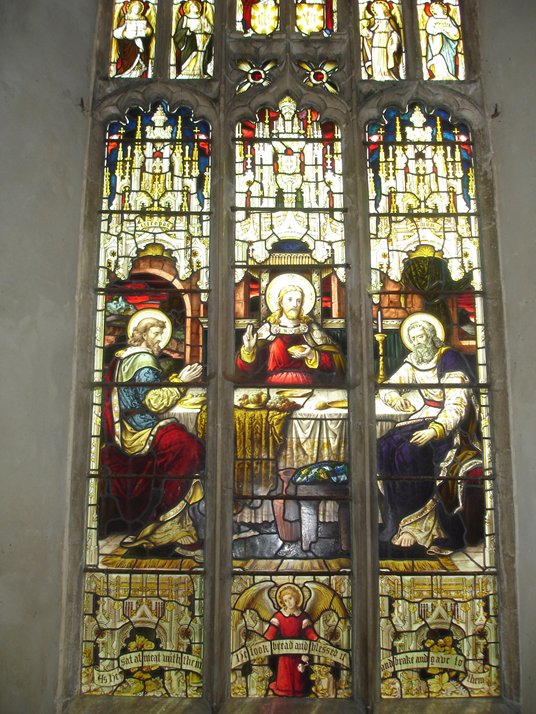
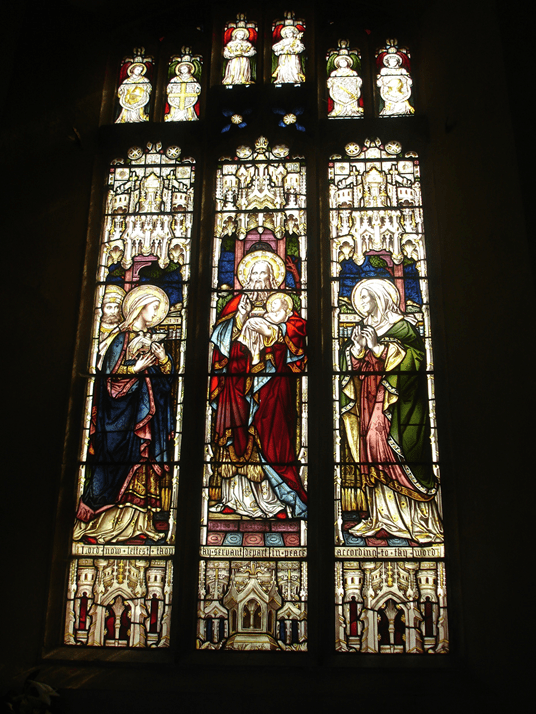
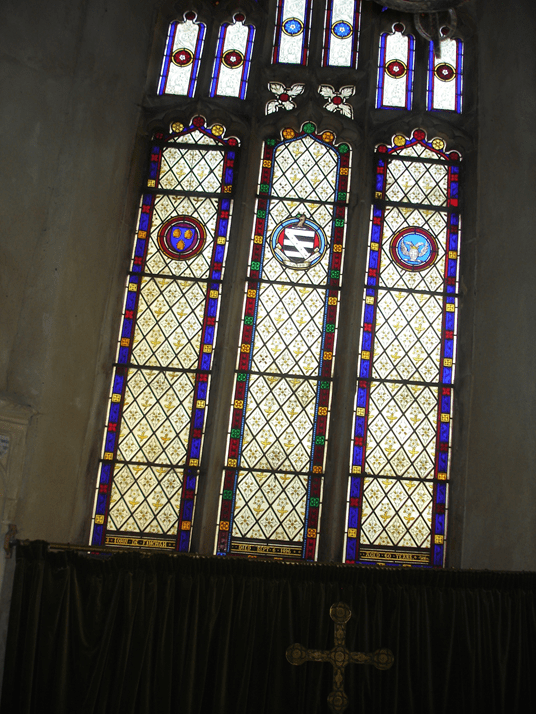
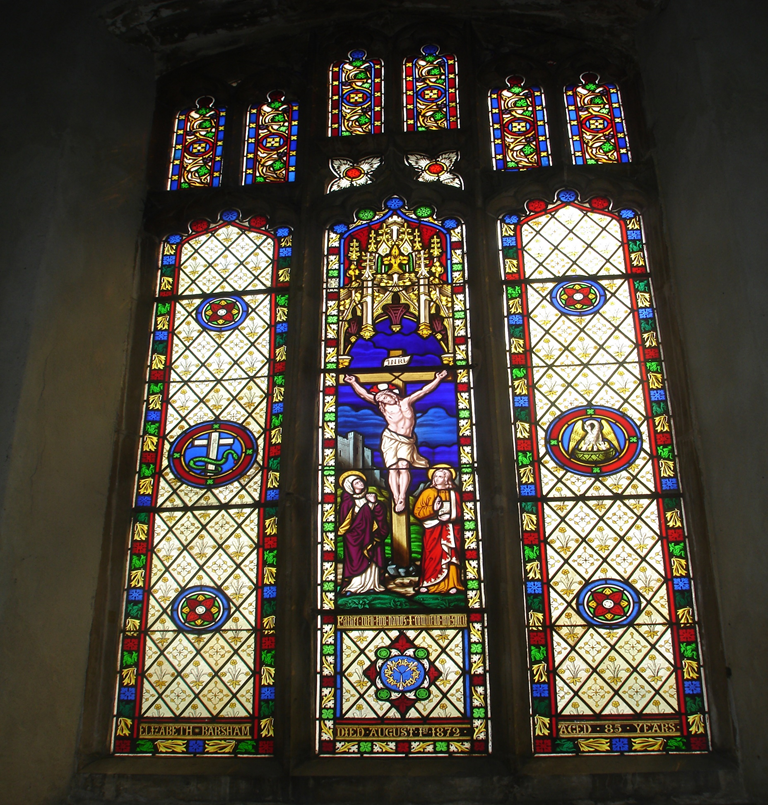
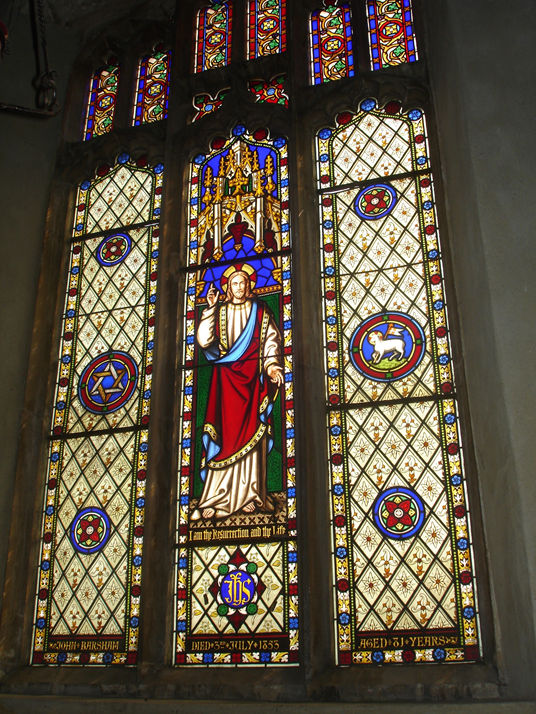
There are several Victorian stained glass windows


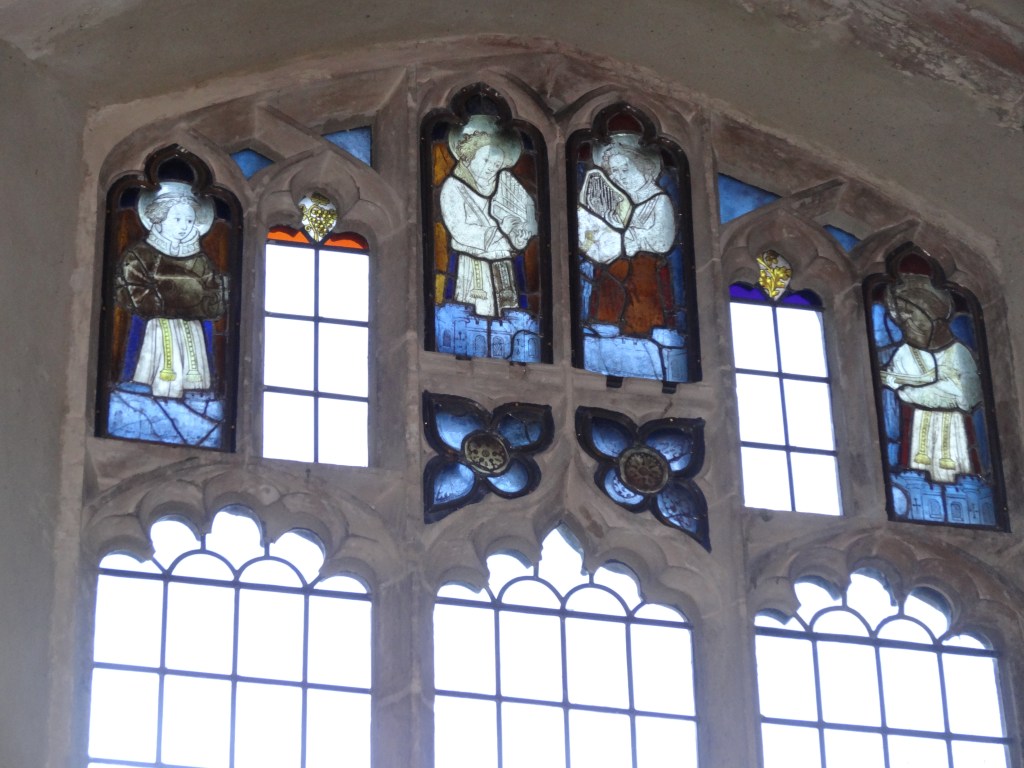
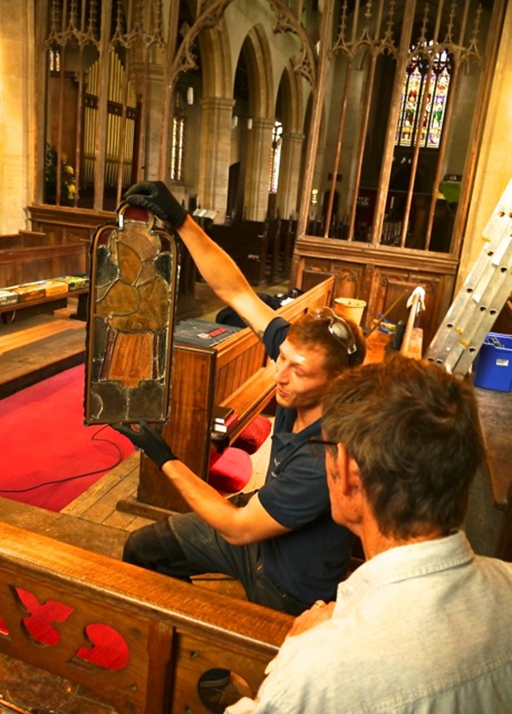
This chancel window is rather special. It has a good deal of original mid-15th century glass in it and original leadwork containing the glass. The whole window was taken to the Barley Studios near York in 2014 for restoration. Several pieces of old coloured glass had been replaced over the years by plain glass. It was decided to put new glass in and paint them the appropriate colour. Each new piece was signed and dated so future historians will know which is original 15th century glass. The window now has a special protective sheet of glass on the outside, cleverly distorted so there are no mirror like reflections, keeping the whole weatherproof.
Two of the angels are playing lutes, one a portative organ and one a harp.
************************************************************************************************************
In 1850 Blyth records that the chancel walls were well repaired and a ‘large and frightful crack and crevice’ in the chancel arch was repaired by the Churchwardens. He also said ‘a new window in the East gable was put in’.
The Rood Screen
The word rood is derived from the Saxon word rood or rode, meaning “cross”. The rood screen is so called because it was surmounted by the Rood itself, a large figure of the crucified Christ
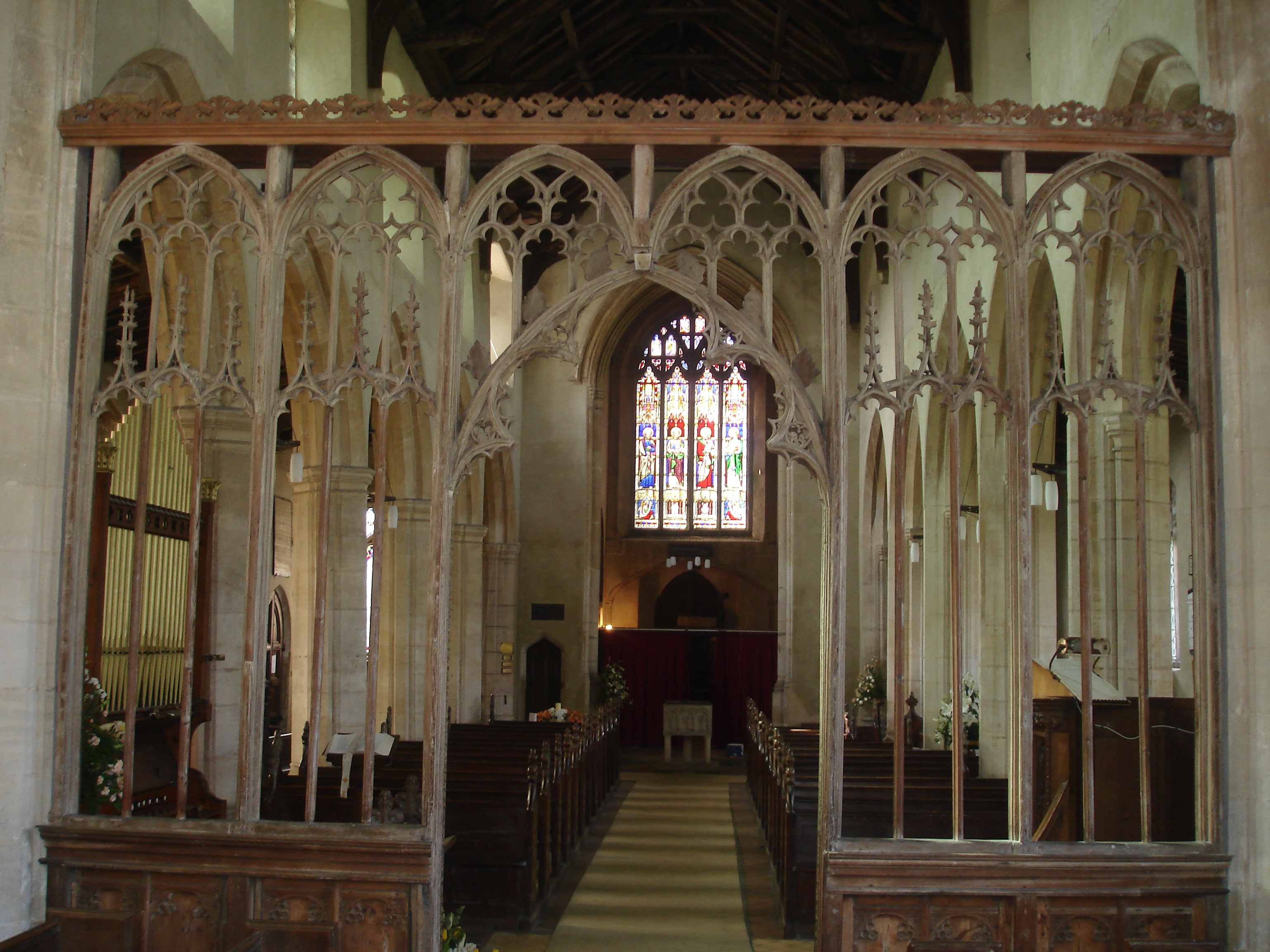
The screen dates from about 1430
The rood screen sometimes had a rood loft above it which supported the crucifixion figure . It sometimes was big enough to support singers. There are no remaining examples in England of rood lofts that survived the Reformation.
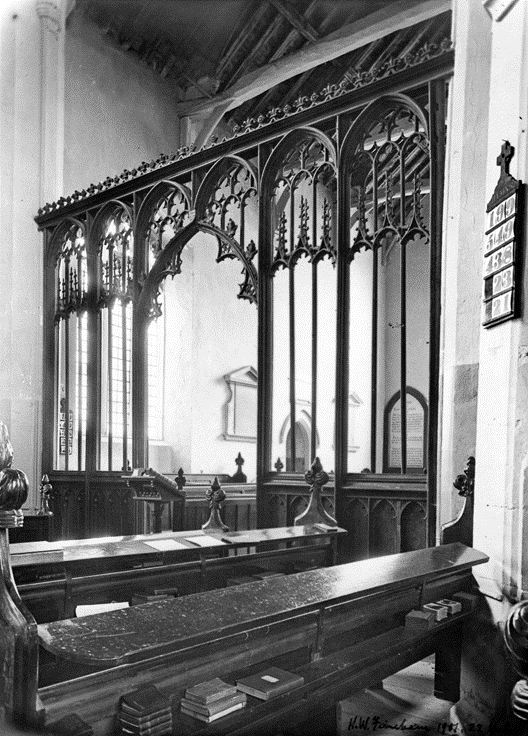
Photograph of the screen in 1901
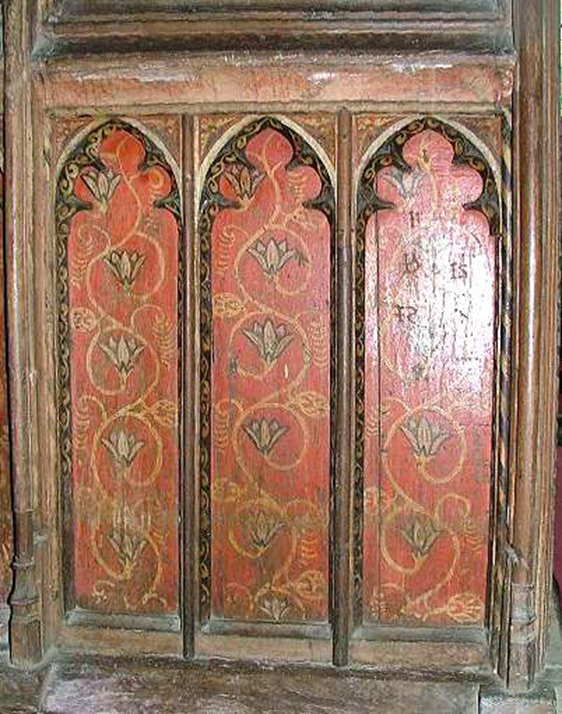
Detail of the lower part
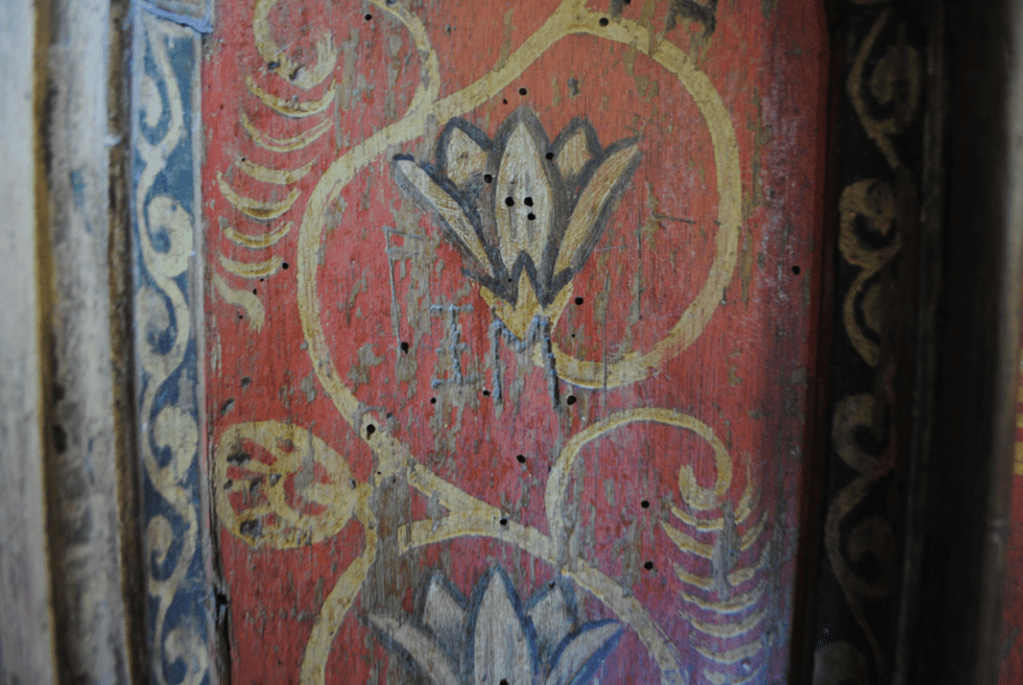
Paintwork – most likely nearly 600 years old!
****************************************************************************************
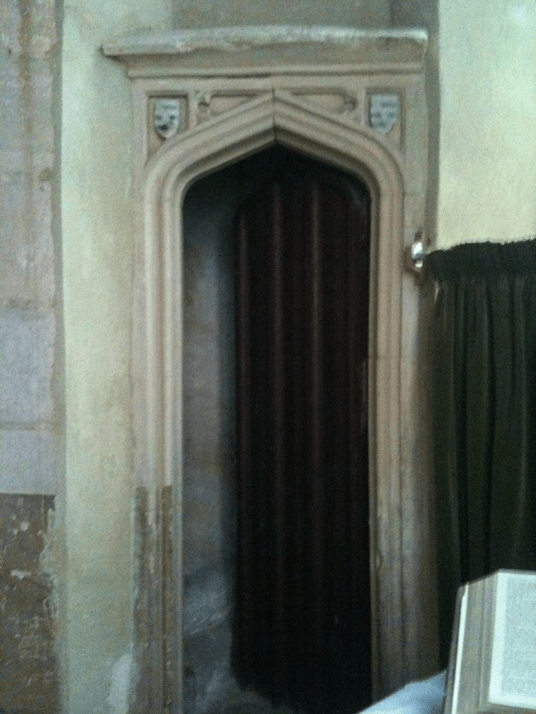
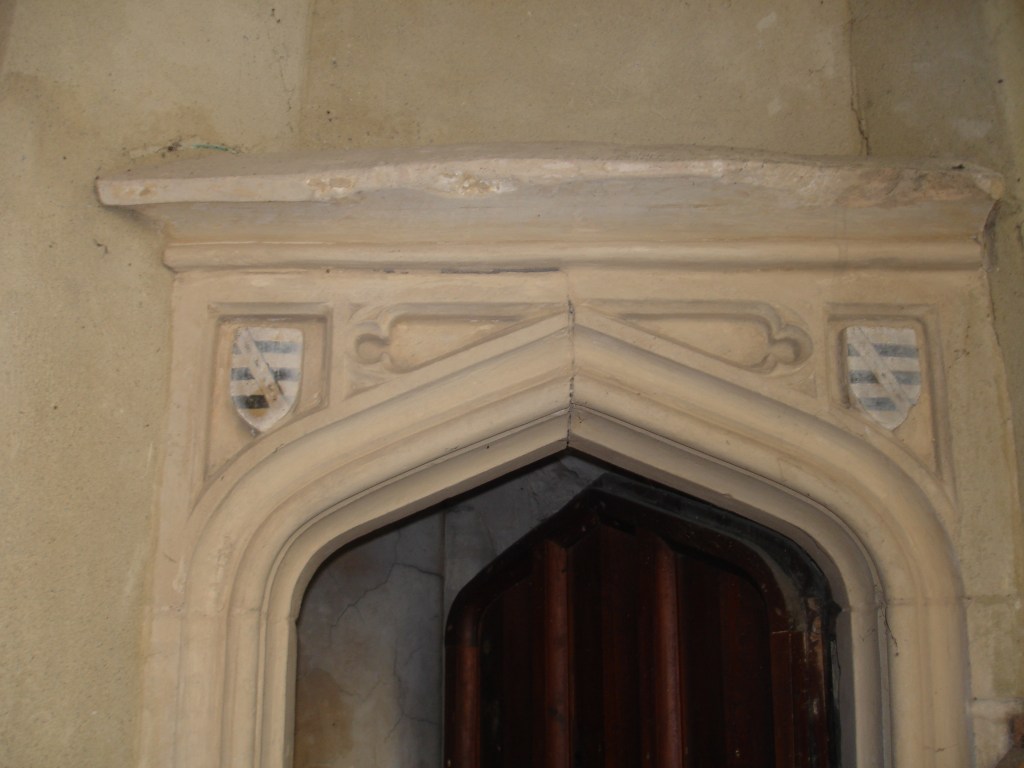
The door leading to the stairs to the top of the screen. It may have been used for lighting candles on the screen or less likely to a rood loft. Note the Fincham coat of arms.
****************************************************************************************
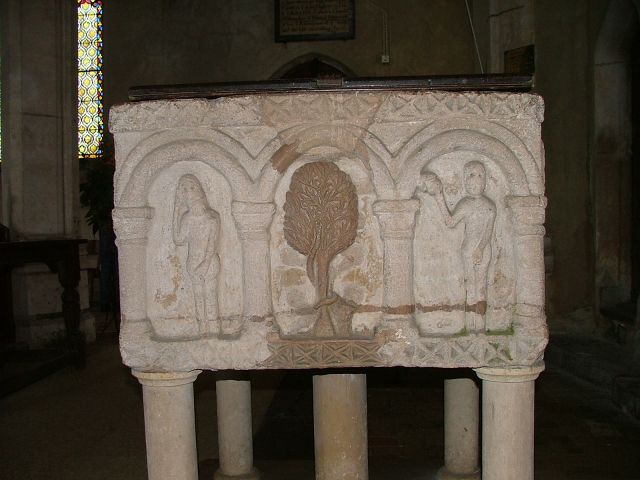
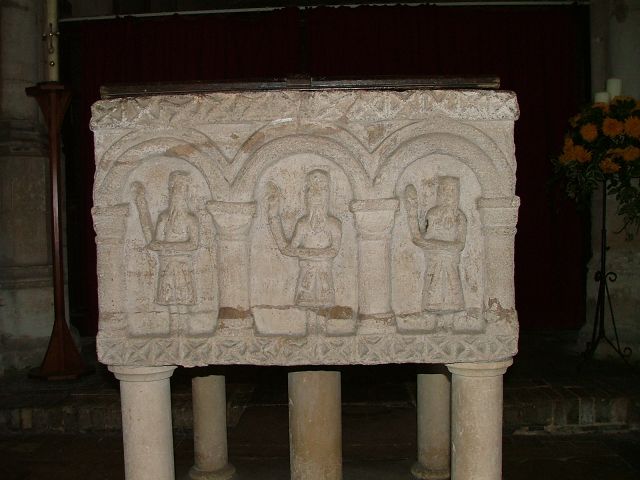
The font
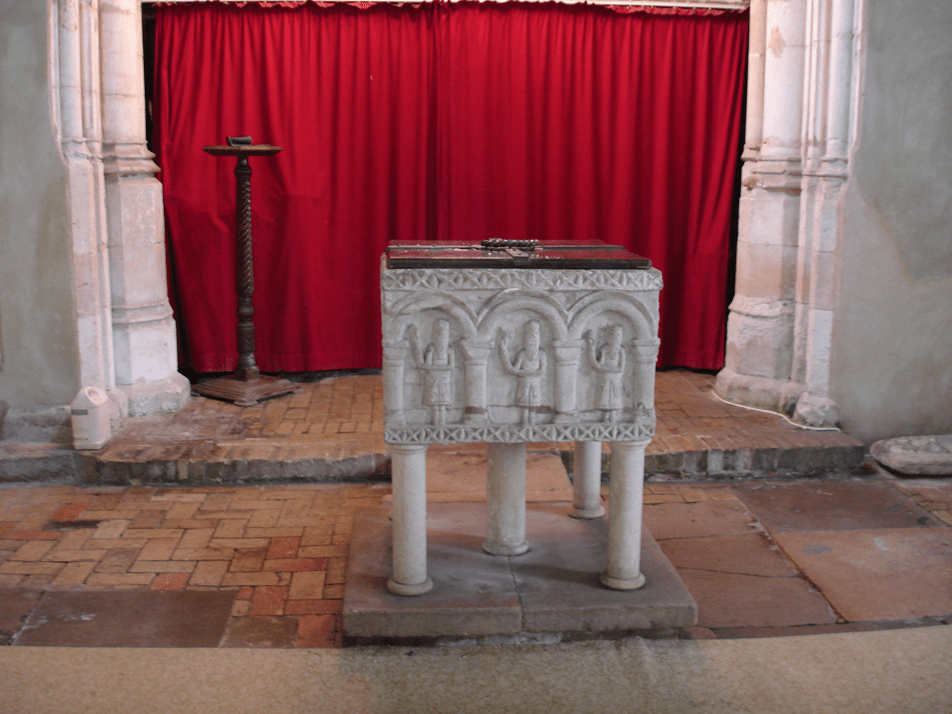
The font is a medieval treasures of the highest order. It has four sides of three compartments which all have figures and scenes taken from the scriptures. It is a Norman font, at least, and may be Saxon as Cotman suggests. This font was moved from St. Michael’s, to St. Martin’s after the former was closed in 1745. It is recorded as being in St Martin’s by the Rev. Charles Parkin, Rector of Oxburgh, who finished Francis Blomefield’s History of Norfolk after the latter’s death. This was by 1765 when the last volume was published.
****************************************************************************************
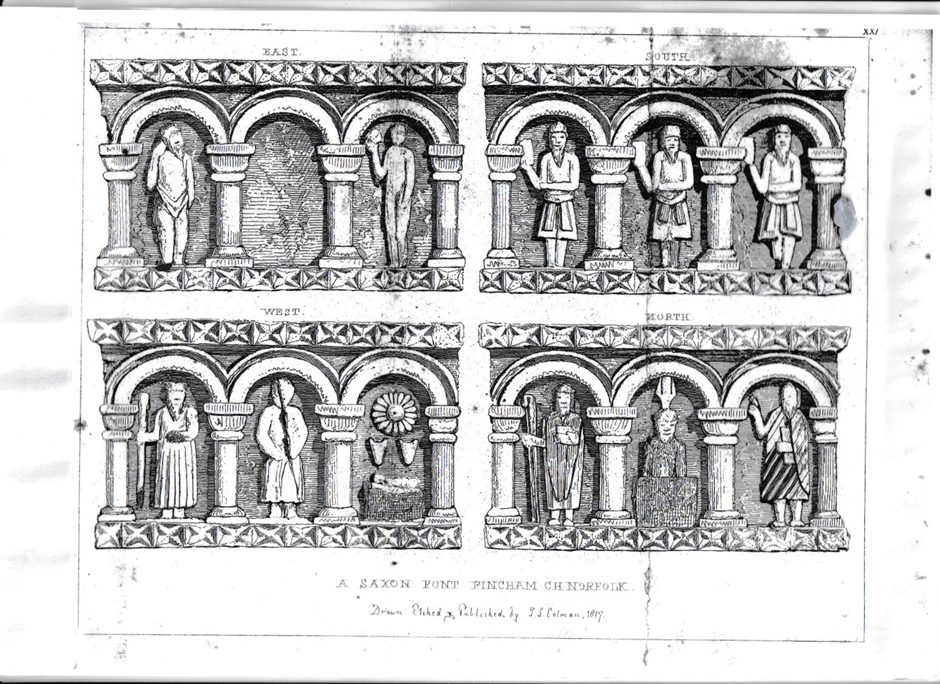
Here is an engraving of the font from 1817 done by John Sell Cotman, the famous artist of the Norwich School. The tree of knowledge is missing on this engraving. At some time since a tree of knowledge has been added but whether by someone who had an image of the original one or not is unknown.
+++++++++++++++++++++++++++

****************************************************************************************
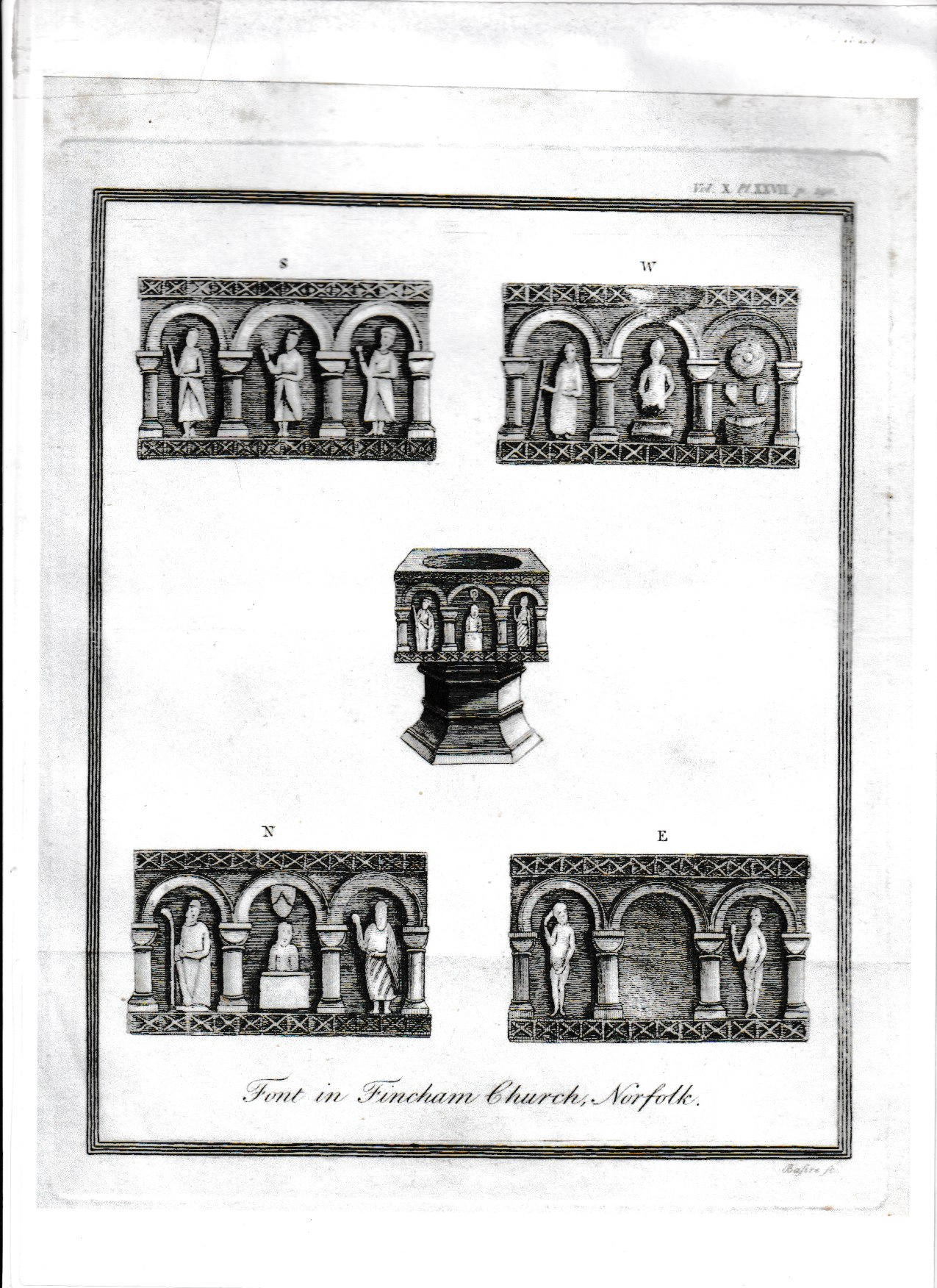
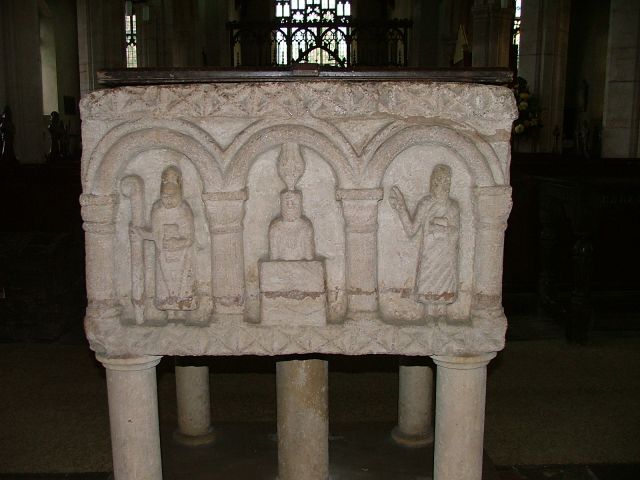
An engraving of the font found c.2010 in the vestry. It is by James Basire (1730-1802) who was an engraver to the Royal Society and to the Society of Antiquaries, specialising in architectural engravings. This print may be from ‘Vetusta monumenta’ produced by the Society of Antiquaries. It must be post-1744 when the font was moved to St. Martin’s but it has a different base to the present one. This is the base that probably the present pulpit is on.
***********************************************************************************
****************************************************************************************
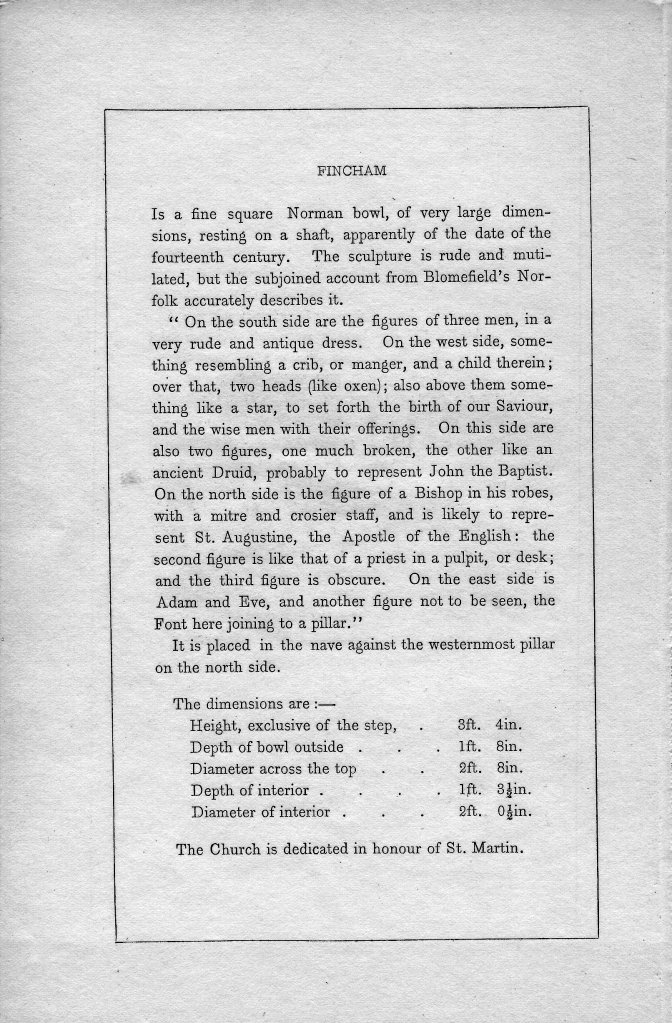
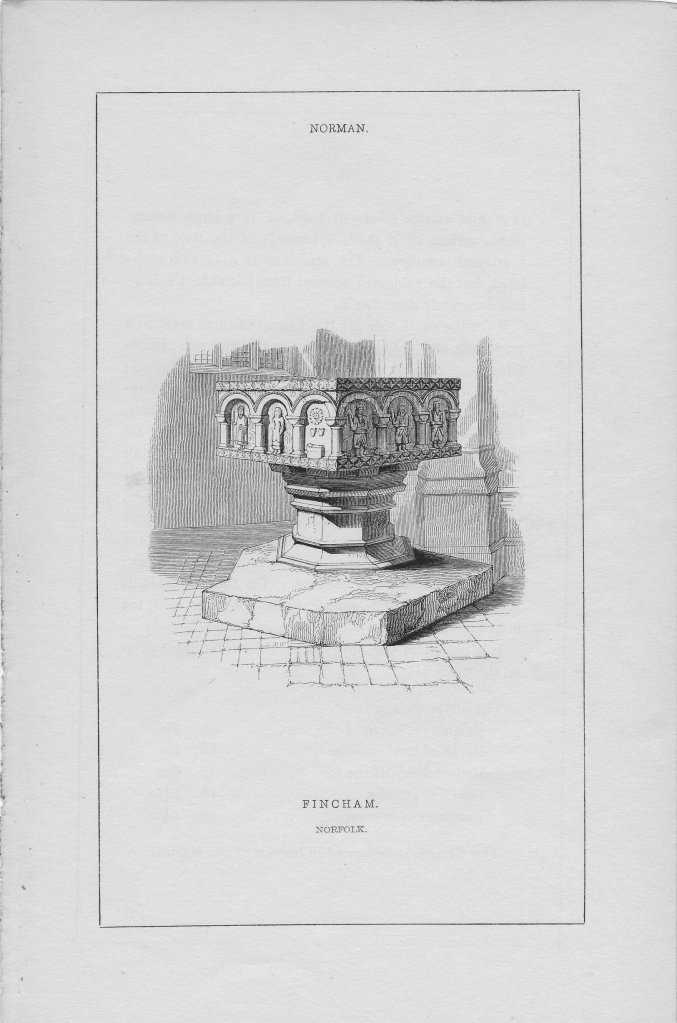
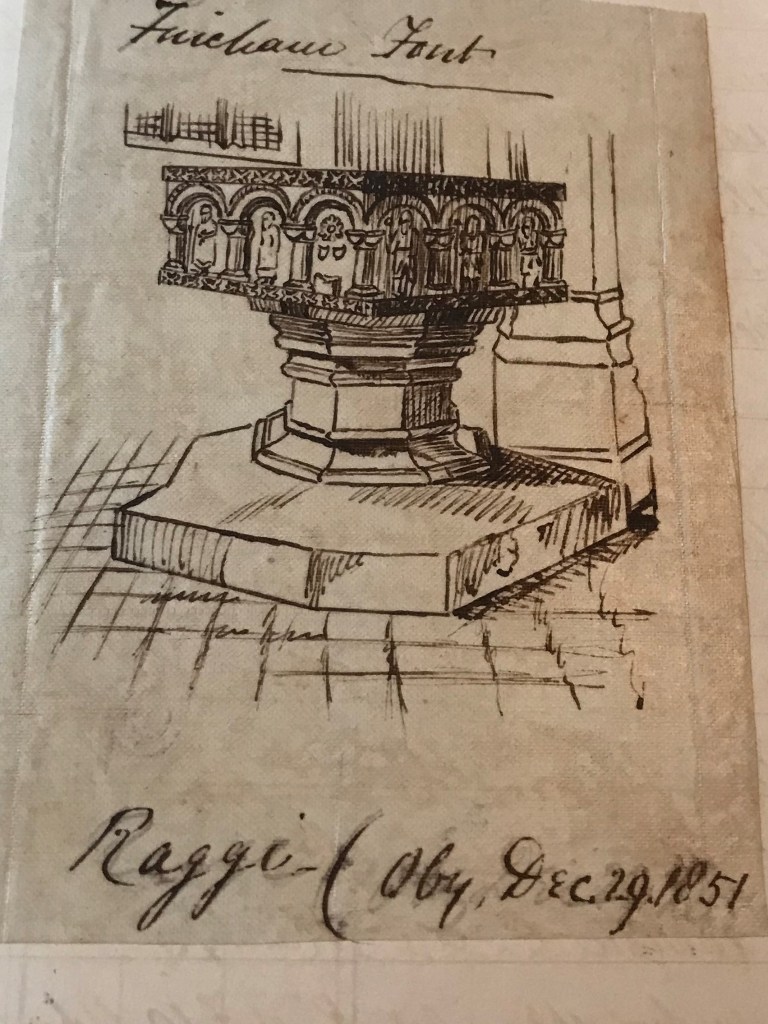
Another account of the font showing it positioned against the pillar.
****************************************************************************************
The pulpit
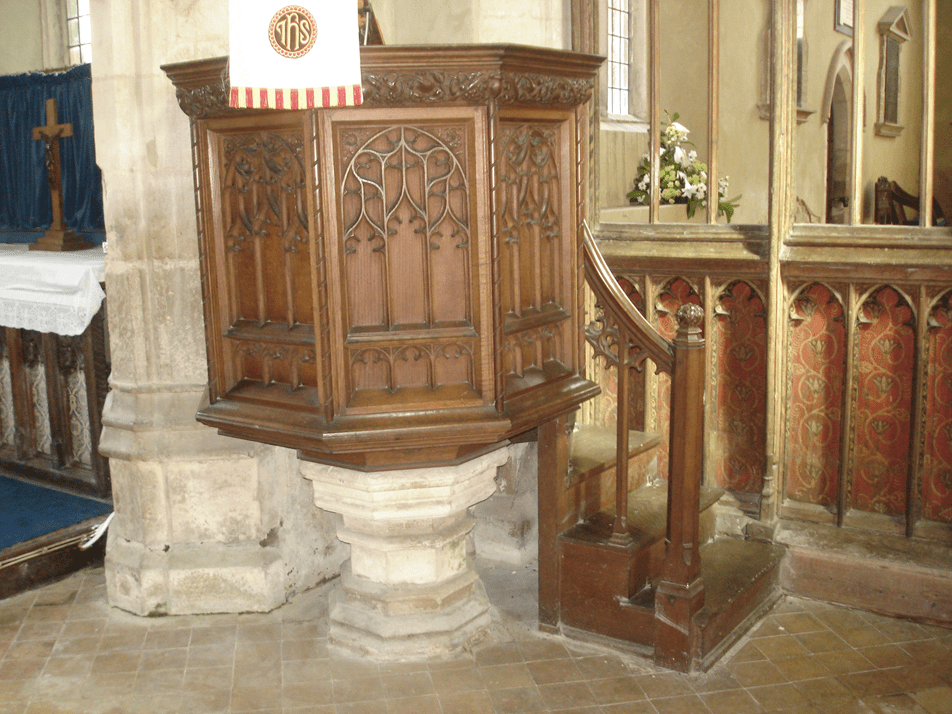
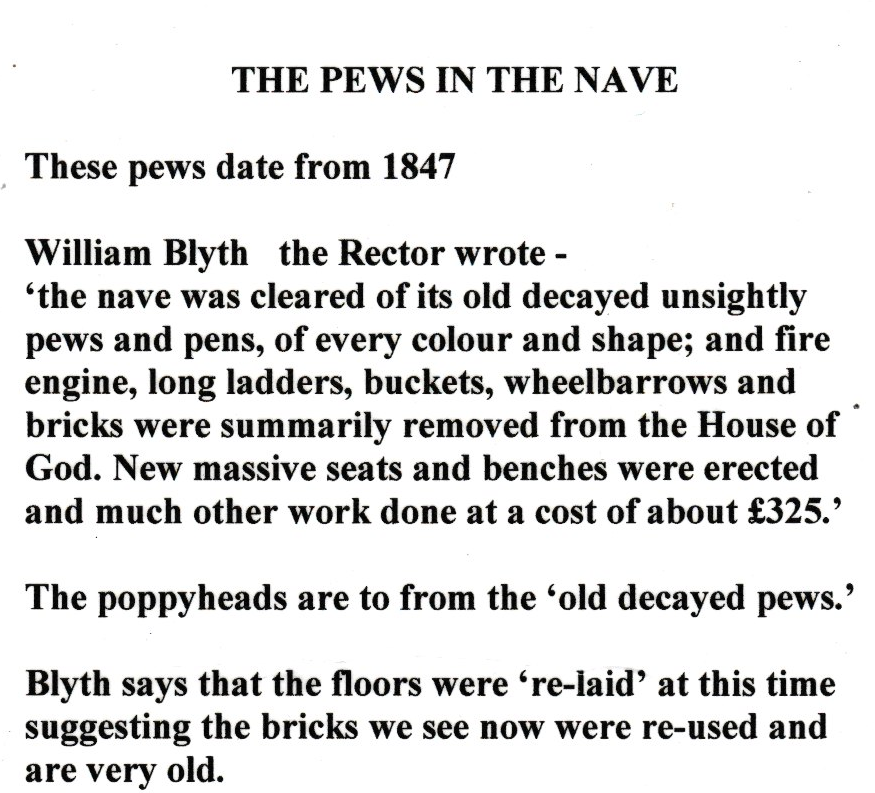
Rev Blyth had a new pulpit in 1847. It was on the other side of the nave as shown in the early 20th century photo. This is most likely to be the 1847 pulpit moved during the 1911 restoration.
********************************************************************************
The hagioscope
A hagioscope or squint is an architectural term denoting a small opening or tunnel at seated eye-level, through an internal masonry dividing wall of a church in an oblique direction, giving worshippers, and a priest in the side chapel, a view of the altar and therefore of the elevation of the host.
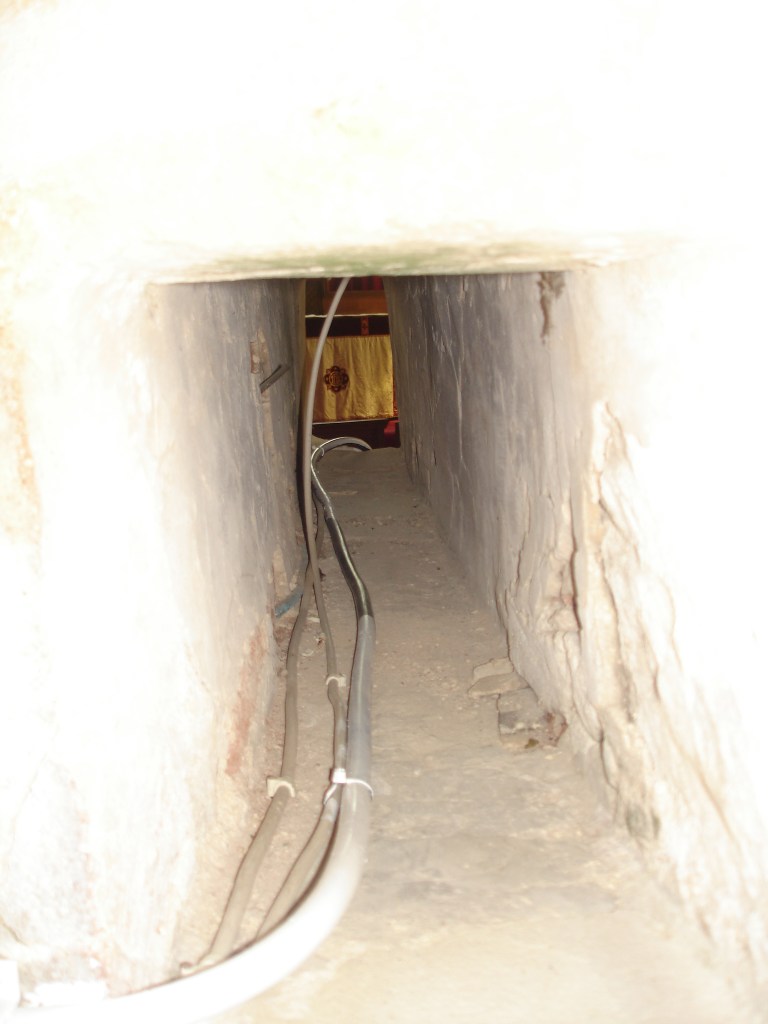
The hagioscope between the north aisle and the chancel.
Sadly an easy route for cables!
*********************************************************************************
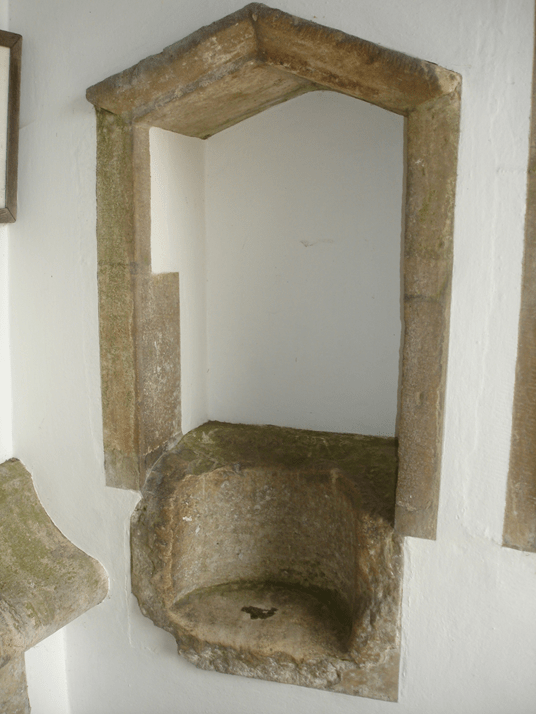
The stoup
A stoup is a basin for holy water, especially on the wall near the door of a Roman Catholic church for worshippers to dip their fingers in before crossing themselves. Until the reformation St. Martin’s was of course a Catholic church, so the damage to this stoup was presumably done during the reformation -500 years ago!
*********************************************************************************
*******************************************************************************
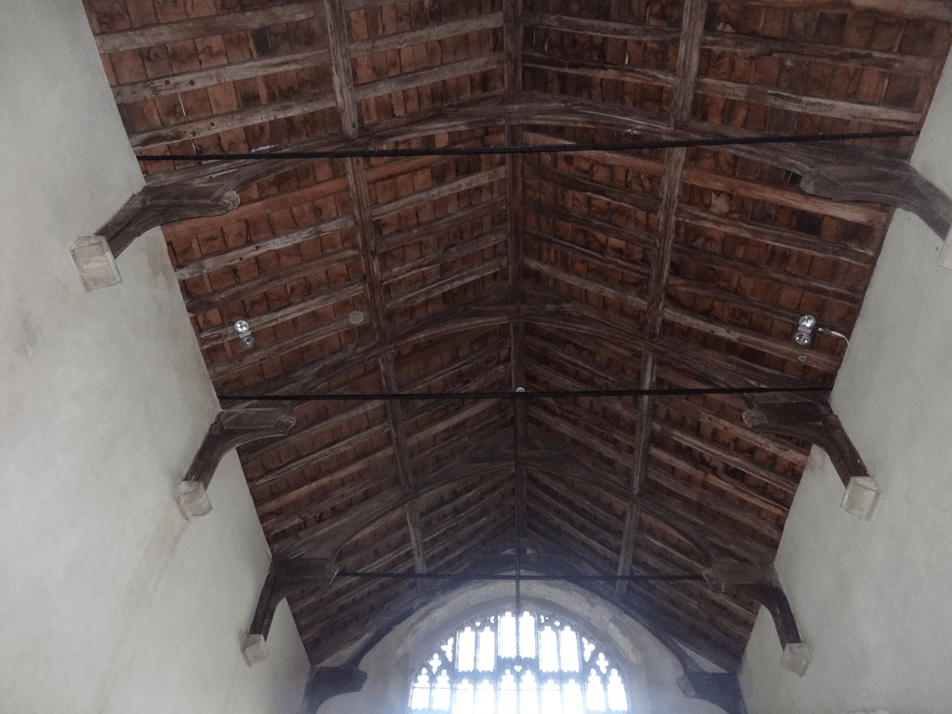
Views of the chancel roof
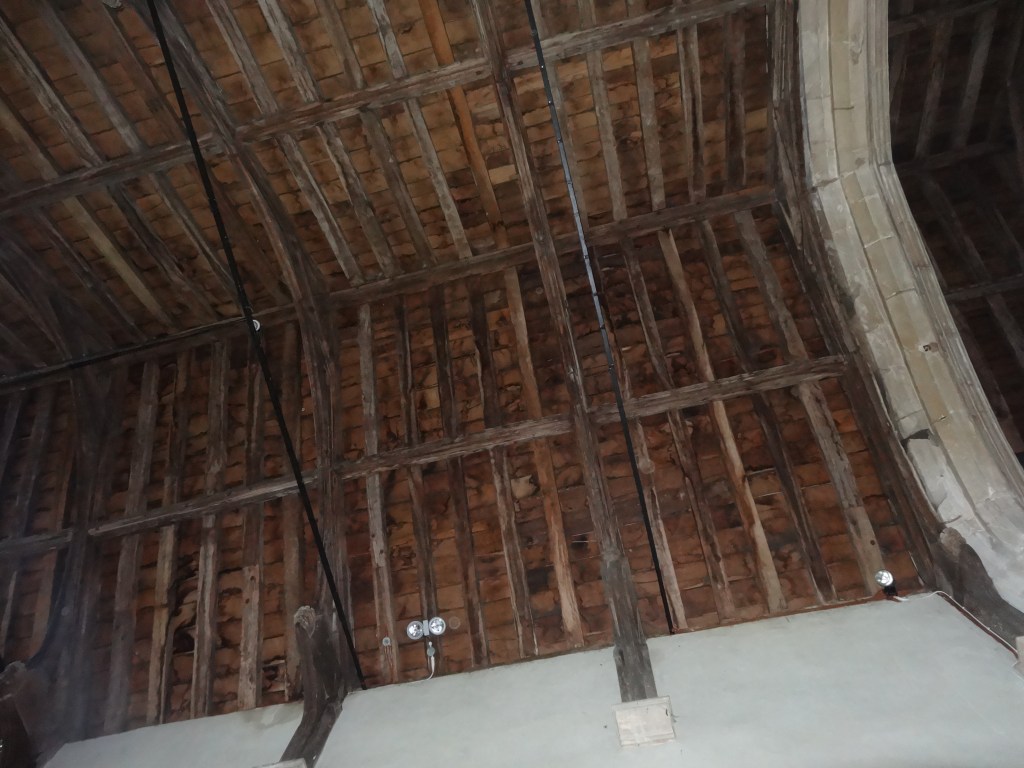
+++++++++++++++++++++++++++++++++++++++++++++++++
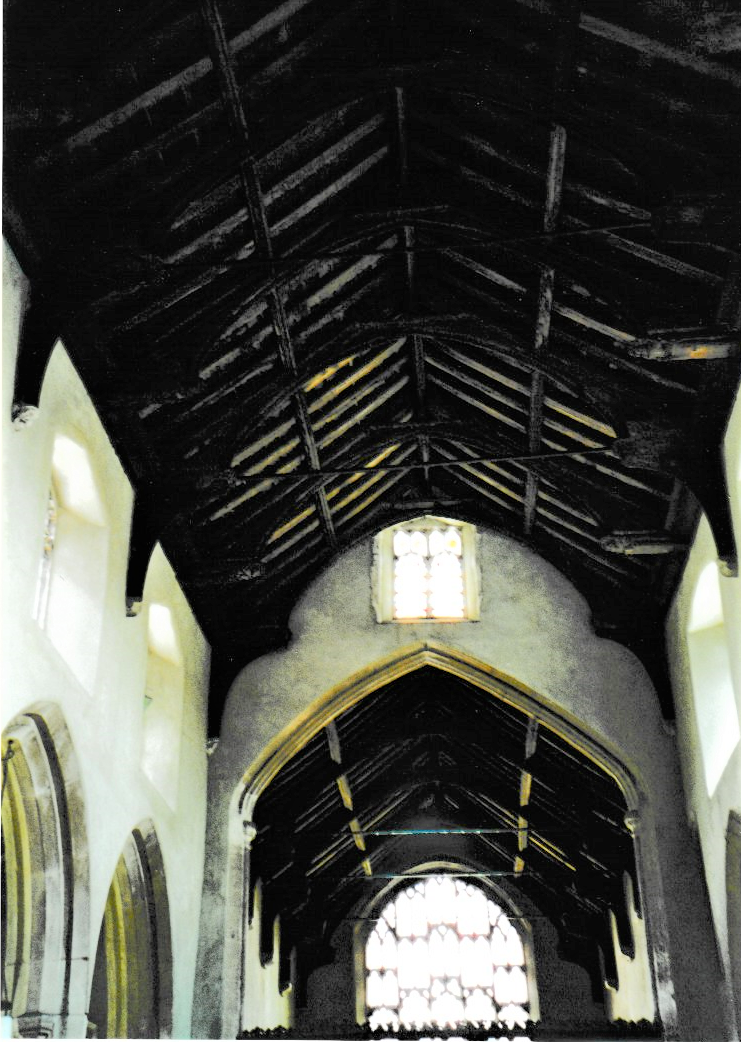
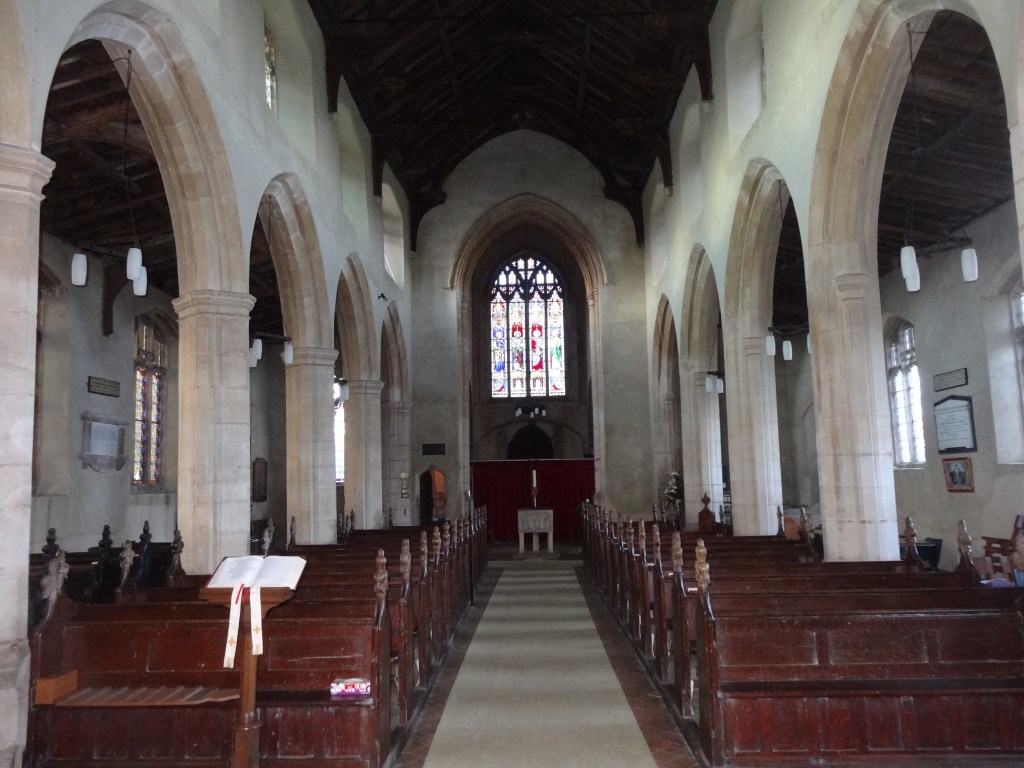
View looking towards the west door showing the beautiful symmetry of the architecture.
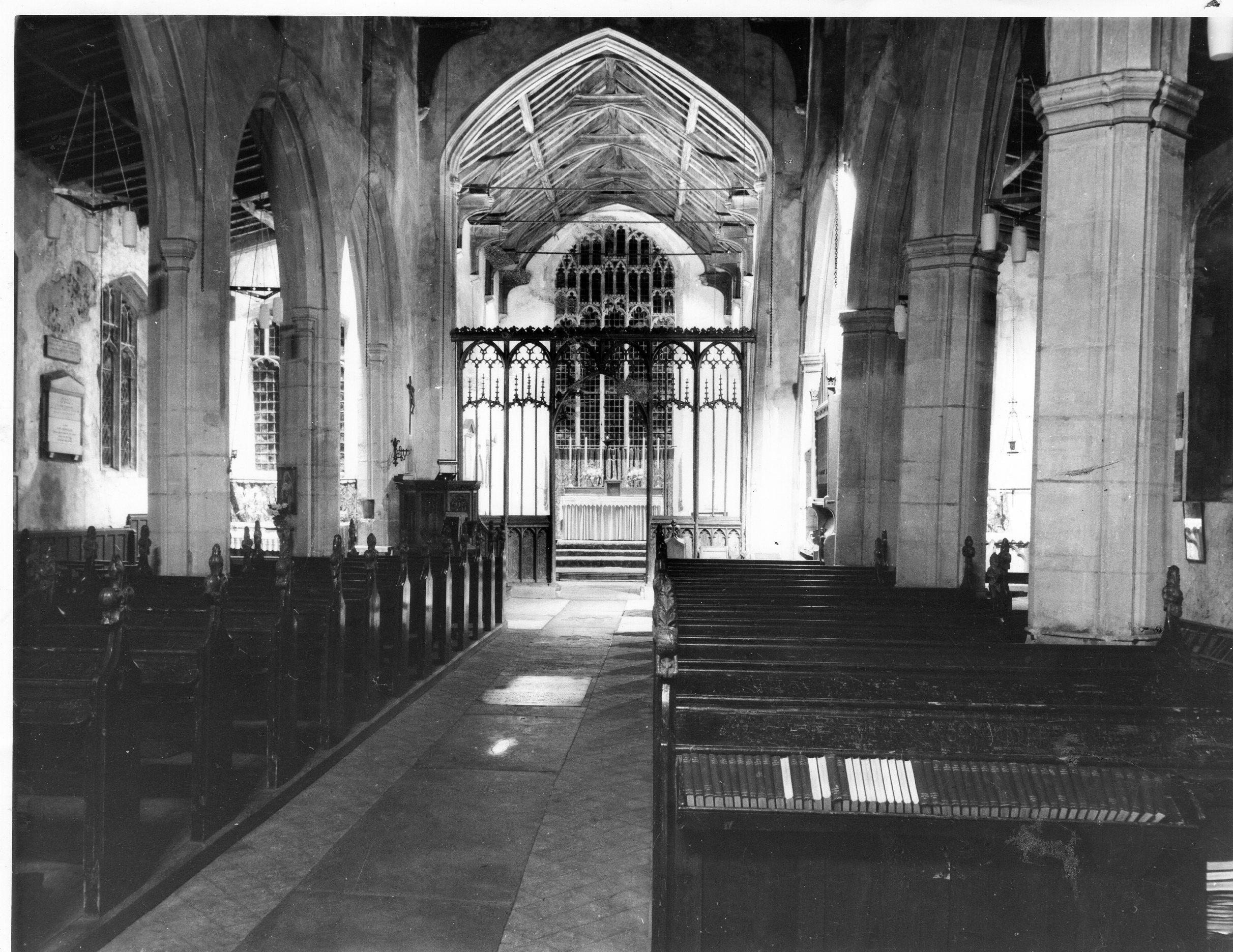
A 1950’s view looking towards the altar with its central aisle of massive slabs and old bricks. The complex pattern of the roof timbers is shown.
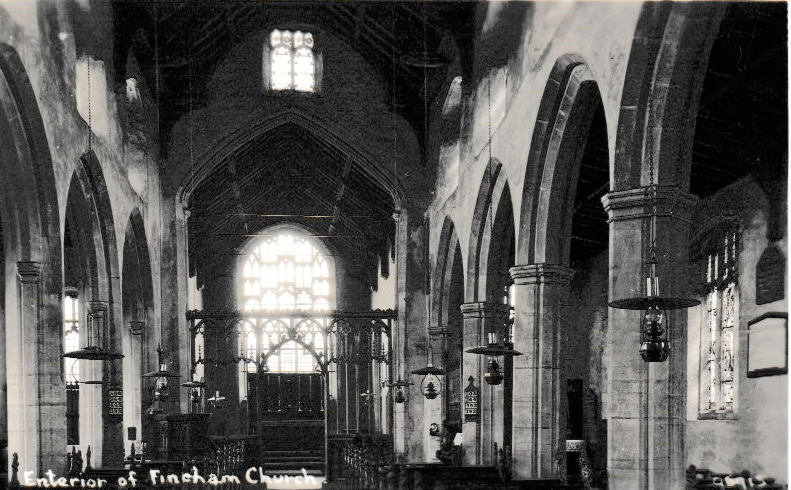
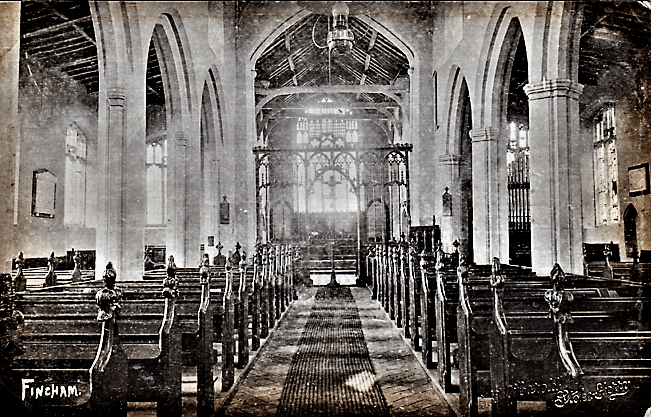
This view is from a card posted in 1905. It must predate the one above as the pulpit is still on the right as we look at it. A theory is the pulpit was moved and put on the pedestal during the renovation of 1911. The lovely old poppy heads from earlier pews put on the Victorian pews show up well here.
****************************************************************************************
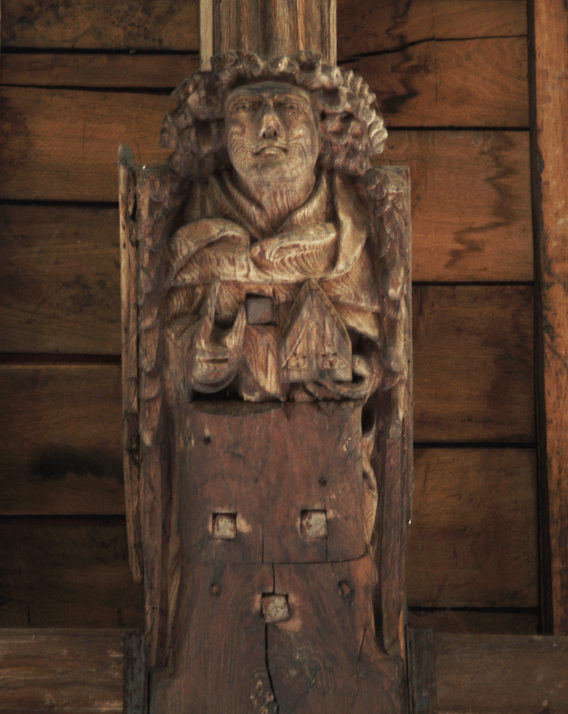
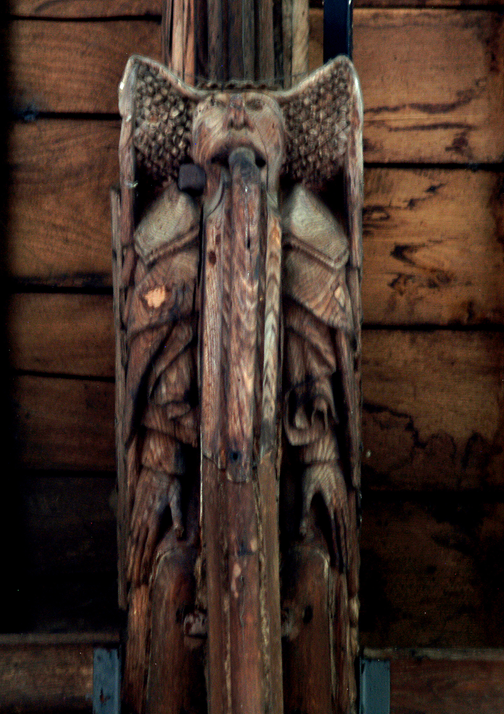
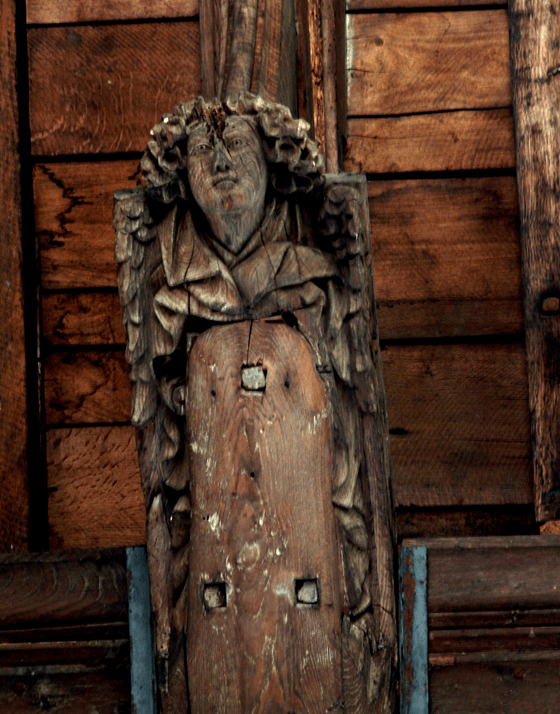
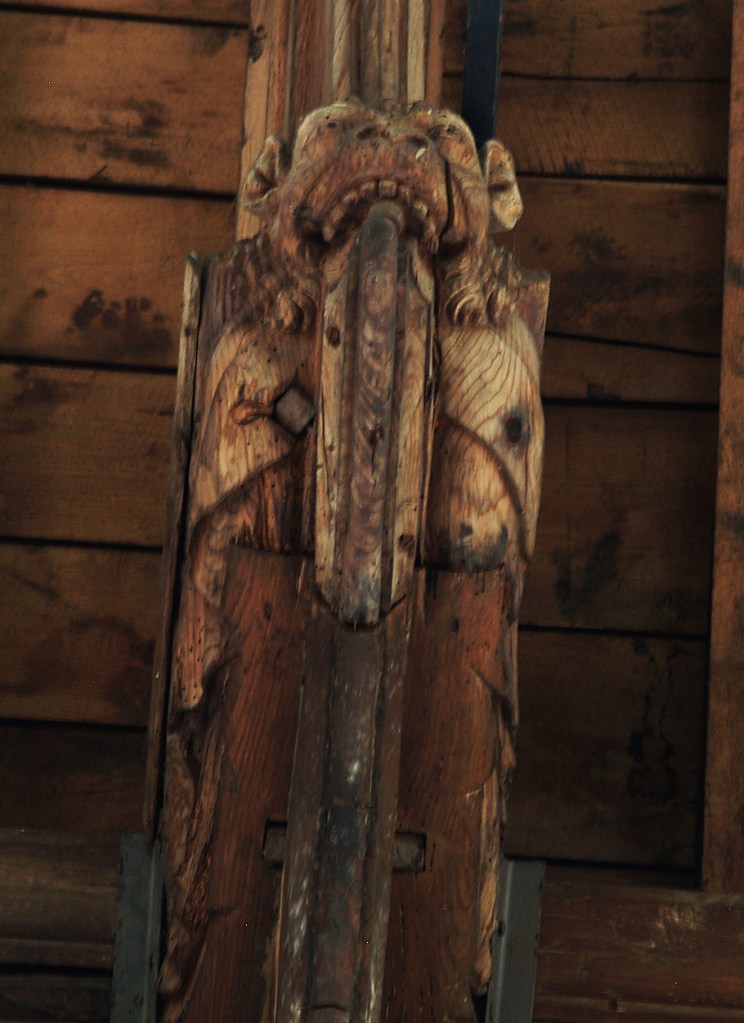
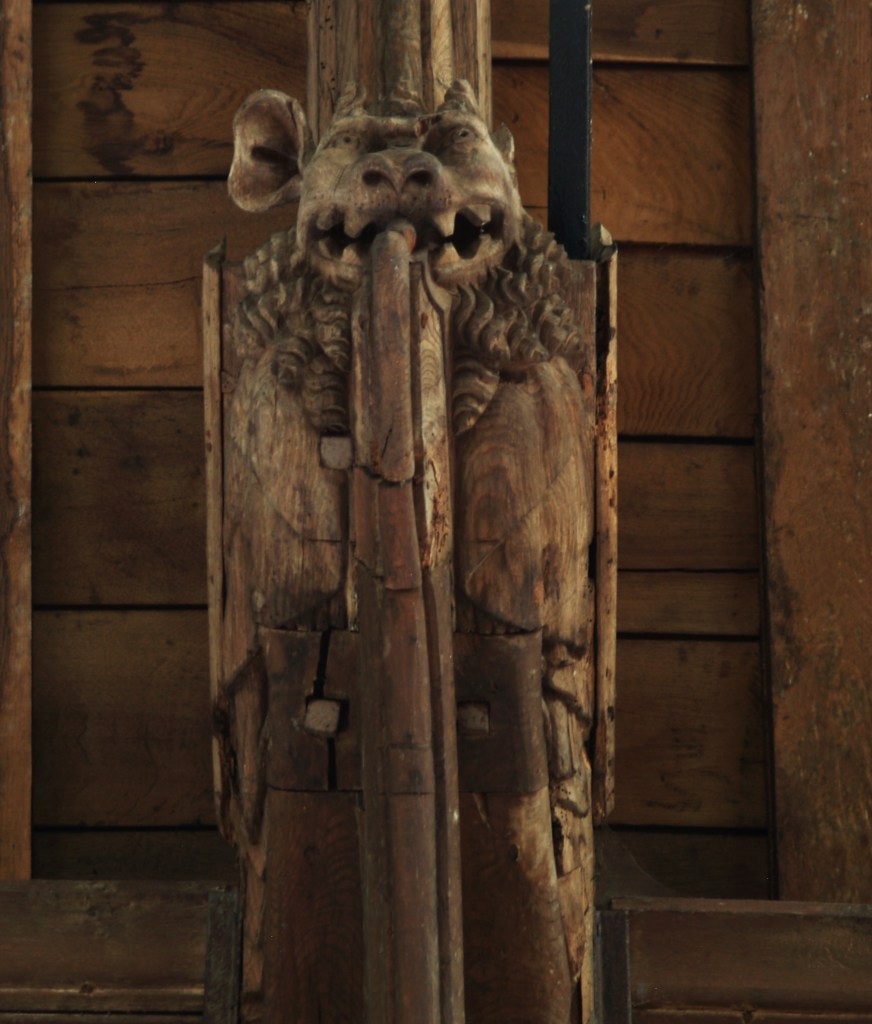
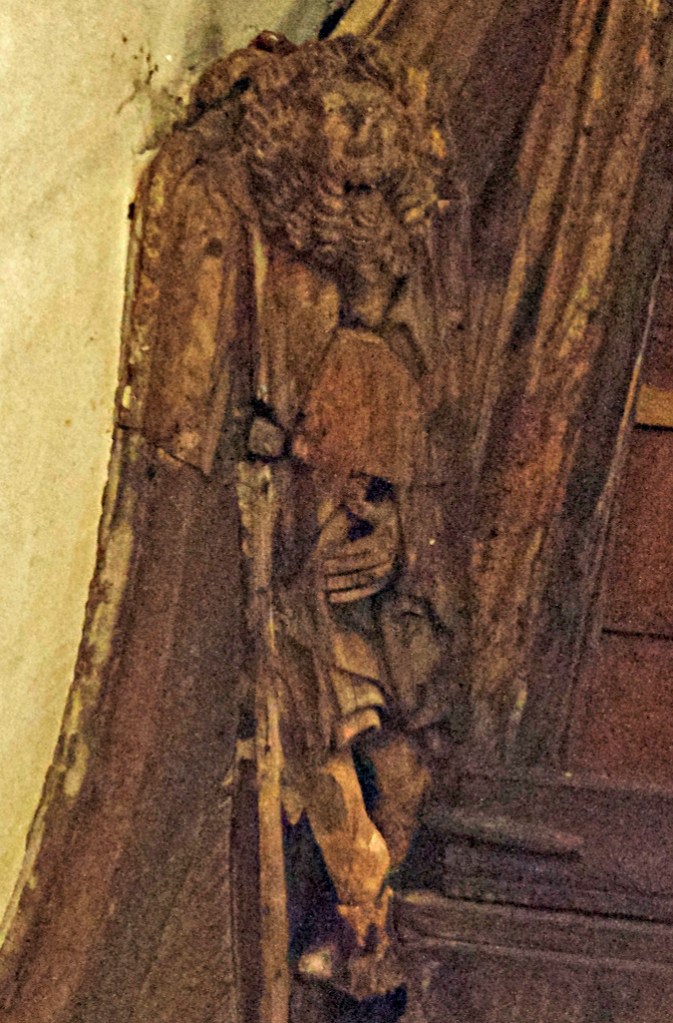
These carvings on the roof posts are special to this area and are compared to those in Mildenhall and Outwell .The battle between good and evil is shown in the alternative figures of demons, some with tongues hanging out, and angels. According to the 2012 survey they appear to be carved by the same hand as those in the other two places mentioned.
EXAMPLES OF THE DEMONS AND ANGELS

********************************************************************************************************
***************************************************************************************
Brasses
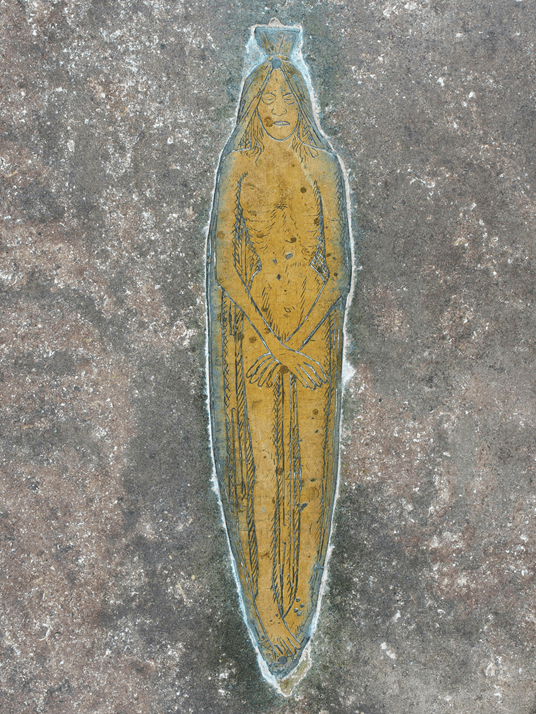
This one is described as ‘Lady in shroud’ and dates from c.1520. Its inscription is lost, It was recorded by Blomefield in 1775 as having no inscription. It is in the main aisle.
xxxxxxxxxxxxxxxxxx
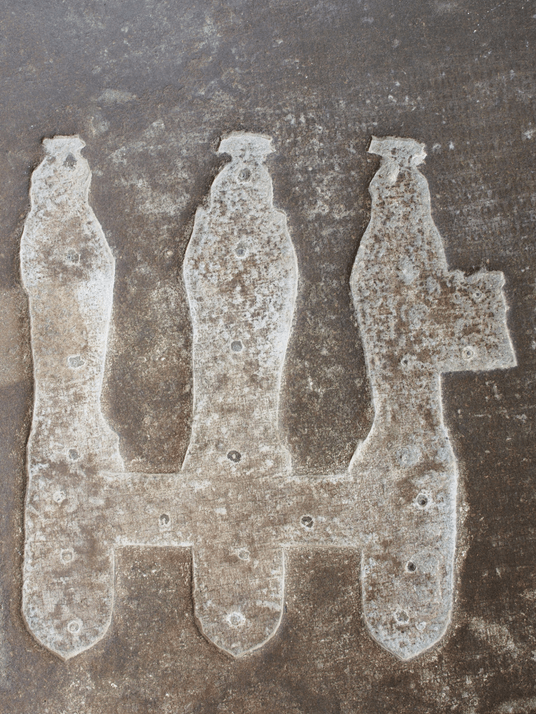
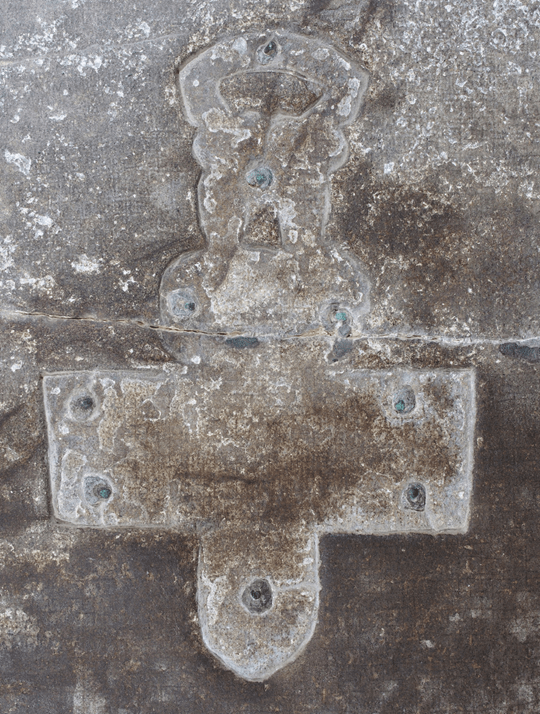
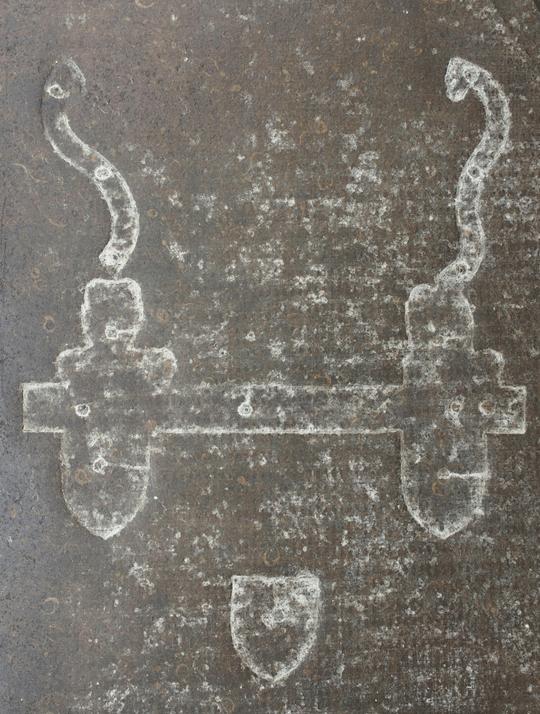
The following three images are ‘indents’ where brasses were originally, but have disappeared hundreds of years ago. In 1631 a writer called Weever, who recorded brasses in churches, says they had long been ‘rieved’ i.e. stolen.
The indents are still there and some are set in slabs of black Purbeck marble, a very expensive import all that time ago.
This brass has long disappeared. It is thought to be to to John Fincham who died in 1499, and his two wives, The first was Alice, daughter of Thomas Bedingfeld of Oxburgh, and the second Jane, daughter of John Tey of Essex. Jane had three children, hence, probably, the three shields at the bottom.
++++++++++
This one is thought to be c.1450 and for a member of the Fincham family.
+++++++++++++
This is probably the one described as ‘two hands holding hearts, two scrolls and three shields,’ dated c.1450. Thought to be for a member of the Fincham family.
 Fincham Local History Society