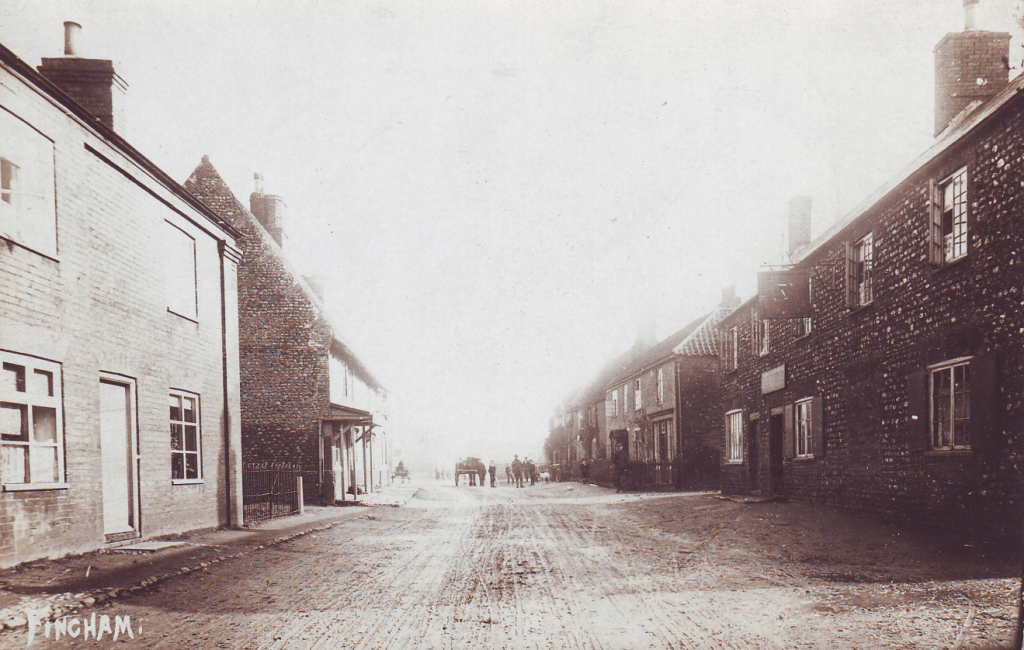
Fincham had two Inns, The Crown and The Swan although there is previous mention of The Bell (1644) and a White Swan on the opposite side of the street to the existing Swan. Inns usually had room to let and were used for auction, courts, polling stations and coroners courts. There are newspaper reports of all these at the Fincham inns.
The remaining public houses of Fincham The New Inn, The Royal Oak and The Bricklayers/ Fellmongers Arms don’t appear on records until the mid 1830s. The 1830 Beer Act brought in by the Duke of Wellington’s government under the banner of “reducing public drunkenness” was meant to counter the problem of cheap gin. Beer was regarded as nutritious and harmless (and probably much healthier than drinking water) Even the Temperance movement regarded the drinking of beer as a normal accompaniment to a meal and this probably accounts for the Fincham Primitive Methodist chapel being next door to the New Inn.
Under the 1830 Act any householder who paid rates could apply ,with a one off payment of 2 guineas (very roughly £150 today, to sell beer and cider in their home (often in their parlour) or even brew it themselves but they weren’t allowed to sell spirits. A Justices licence wasn’t necessary either.
These beer houses were often called after the occupation of the owner hence Fellmongers Arms (Thomas Southgate) and then later Bricklayers Arms (James Hammond) A fellmonger was a dealer in hides or skins, particularly sheepskins, and sometimes preparing those skins for tanning.
Beer houses became very popular and soon out numbered inns, taverns and public houses. so in 1869 control reverted to the local magistrates and new laws prevented any new beer houses being created. The New Inn and The Royal Oak continued until the mid 20th Century but the Bricklayers Arms ceased trading in the 1870s.
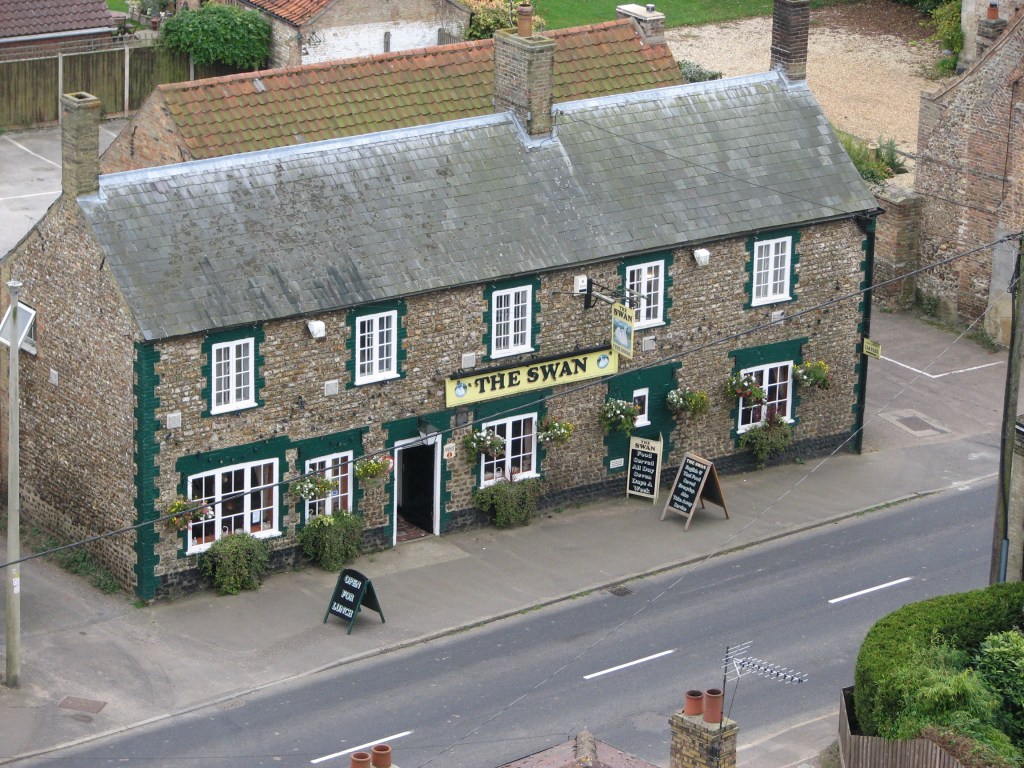
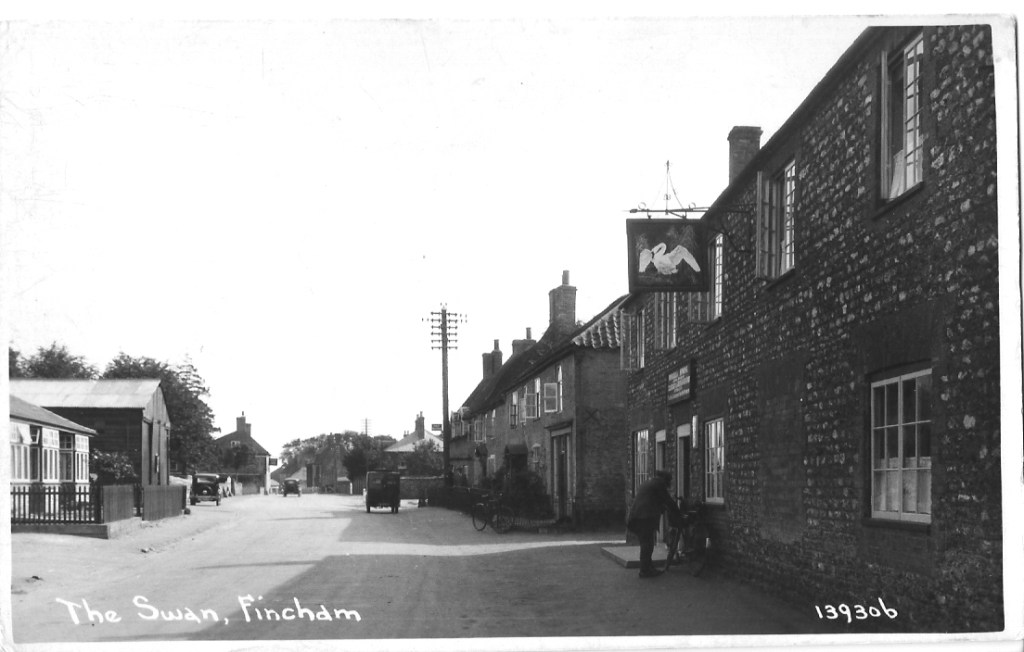
The forties or fifties?
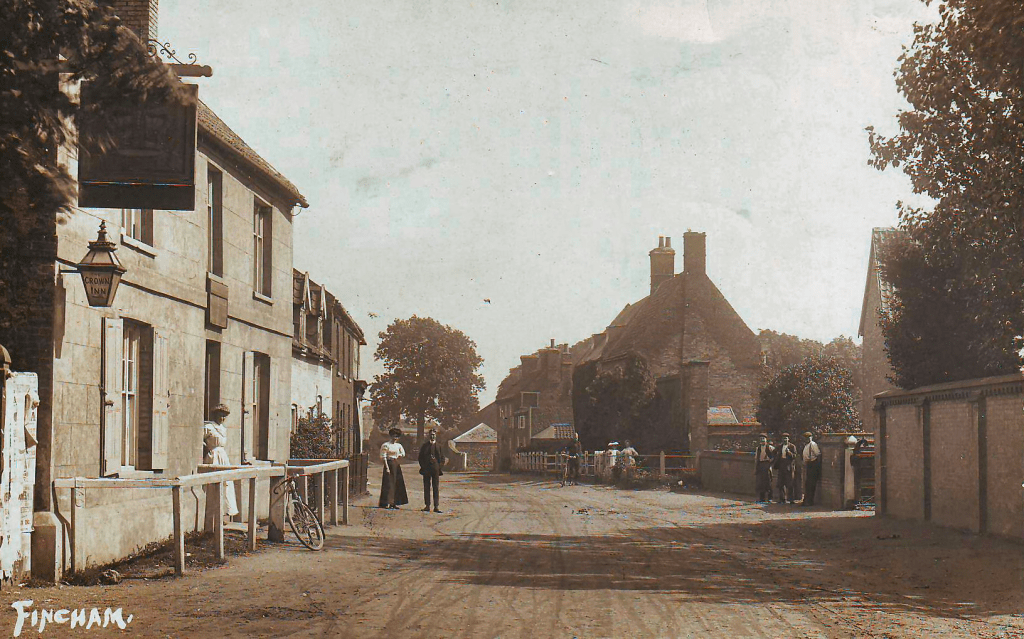
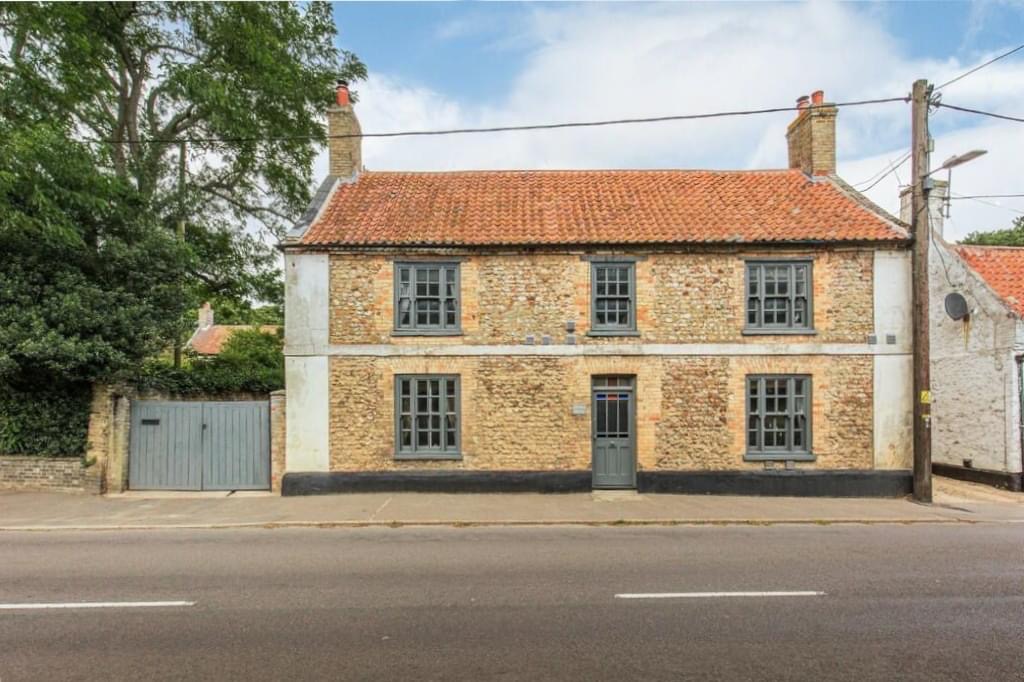
The Crown 2023
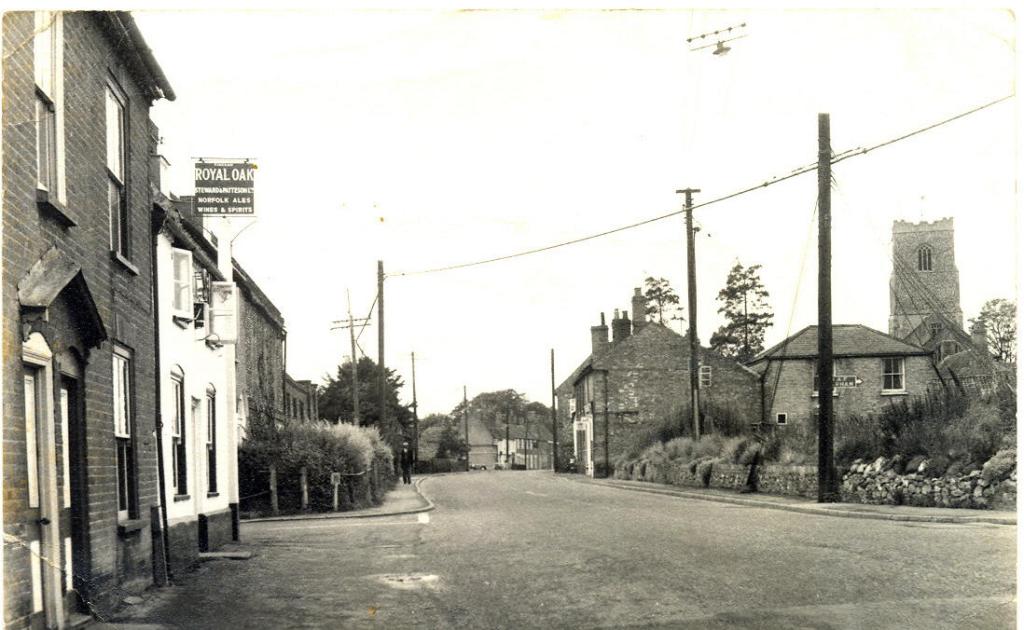
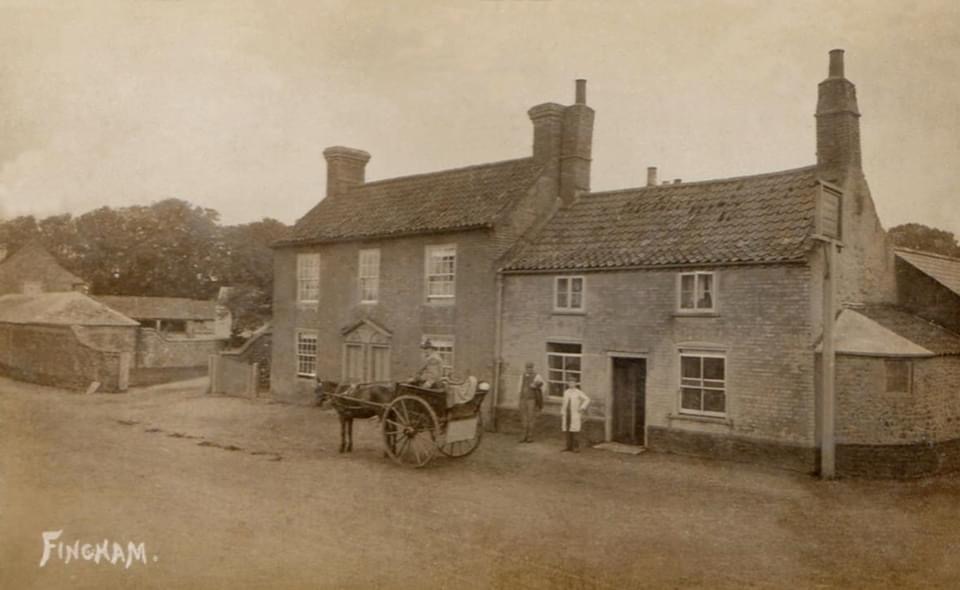
The Royal Oak -probably early 20th century
 Fincham Local History Society