How the Common was sold and was it right?
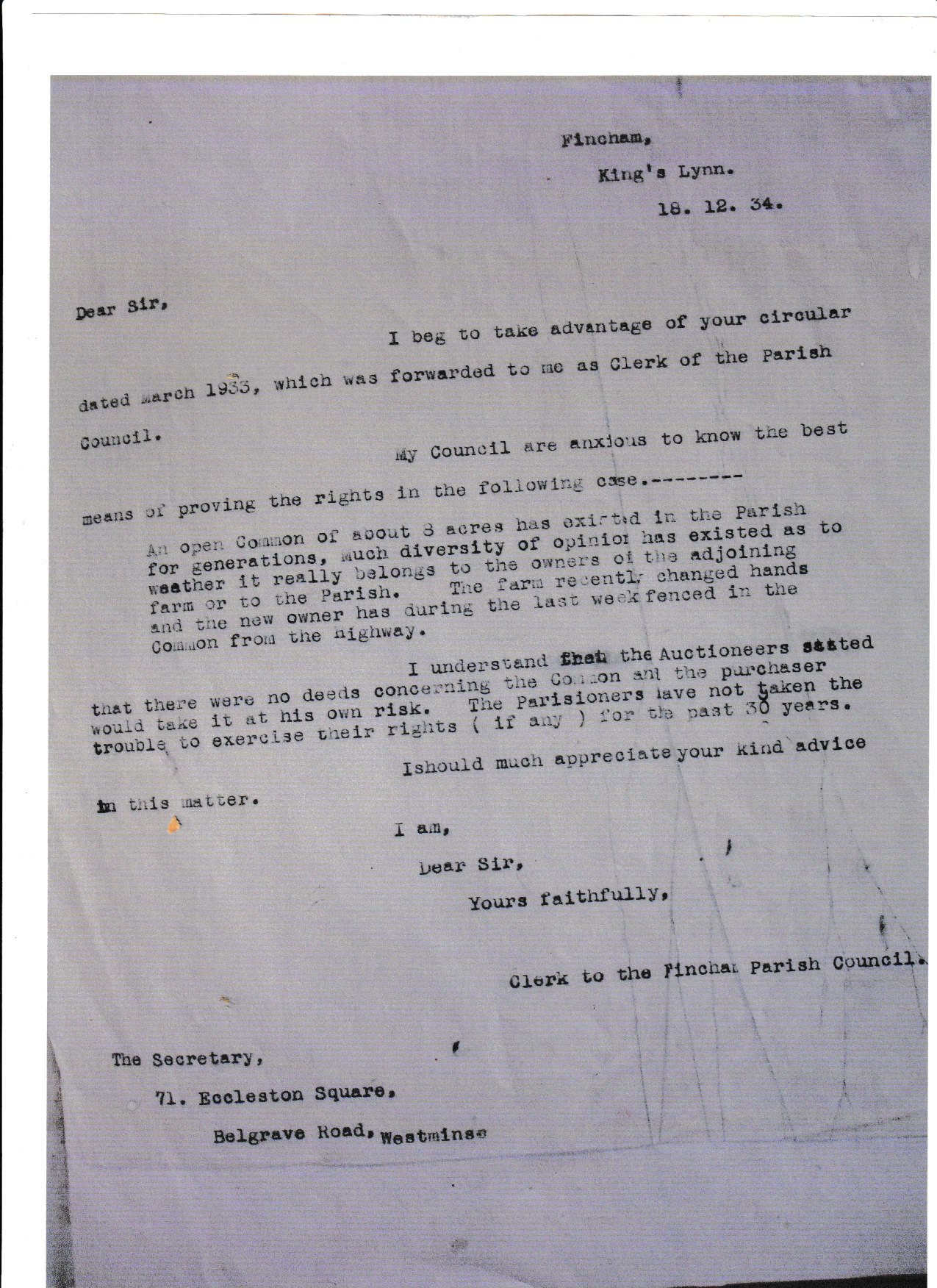
In December 1934, Oliver Staines who was Clerk to the Fincham Parish Council wrote a letter to the Commons and Footpaths Preservation Society following a circular from them received the previous year. He refers to the Open Common of about 8 acres that existed in the Parish for generations. He wonders if it belonged to the adjoining farm or the Parish. He says ‘the farm recently changed hands and the new owner during the last week fenced in the Common from the Highway’.
This is the land on the left side of the road to Shouldham Thorpe which residents at least to the end of the 20th century still considered to have been wrongly appropriated by the landowner.
Tellingly though, Oliver Staines goes on to say that the Auctioneers stated that there were no deeds concerning the Common and the purchaser would take it at his own risk. ‘The Parishioners’ he states ‘have not taken the trouble to exercise their rights (if any) for the past 30 years’.
From this so far it would appear that if anyone were blame it was the person who sold the land, not the one who bought it. Did the previous owner keep the villagers off it by threats or did no one want to use it as a common? It seems the village had at least 30 years to complain about the situation but nothing happened to disturb the use of the common land by, presumably, a farmer. As the complaint was that the Common was fenced by the new owner it was presumably open to being walked on. Perhaps it was an area people walked on but the ‘rights’ referred to were the grazing of livestock.
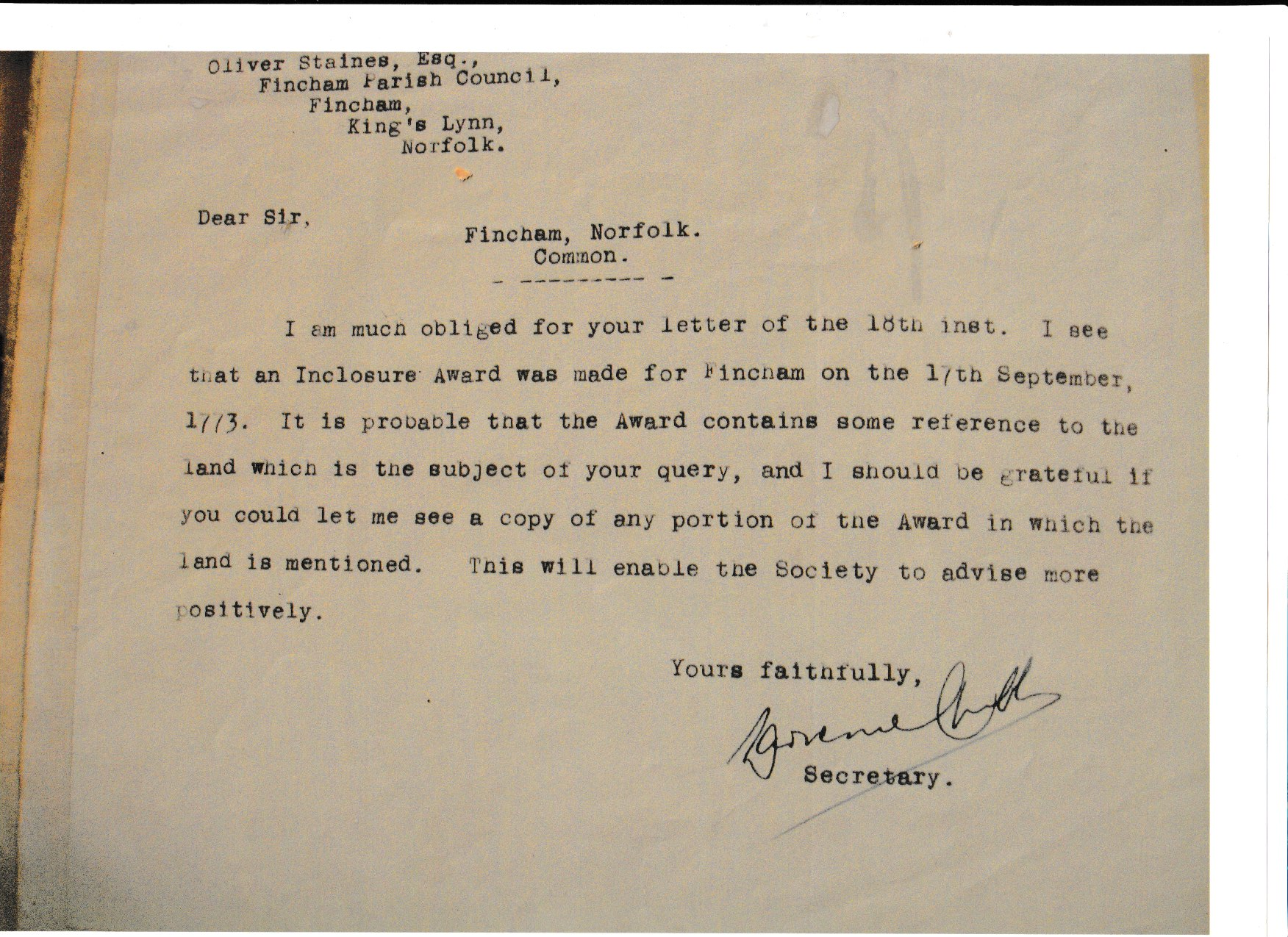
The reply from the Society says that the Enclosure Award for Fincham dates from 1773 and could they see any portion of the Award in which the land is mentioned! Whether anyone pursued this is not known but that would seem to be the end of the matter.
It would be interesting to know who sold the farm- but the buyer would appear to be free of blame.
The most likely scenario could be that it was a piece of common land left over after enclosure which was not used as a traditional common for grazing. Eventually someone saw a chance of making some cash by selling it. Landowners were not easily challenged in the inter-war years.
 Fincham Local History Society